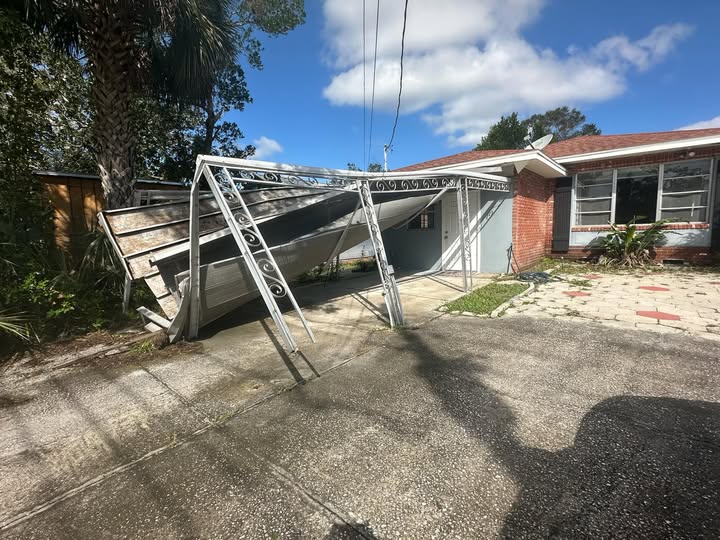
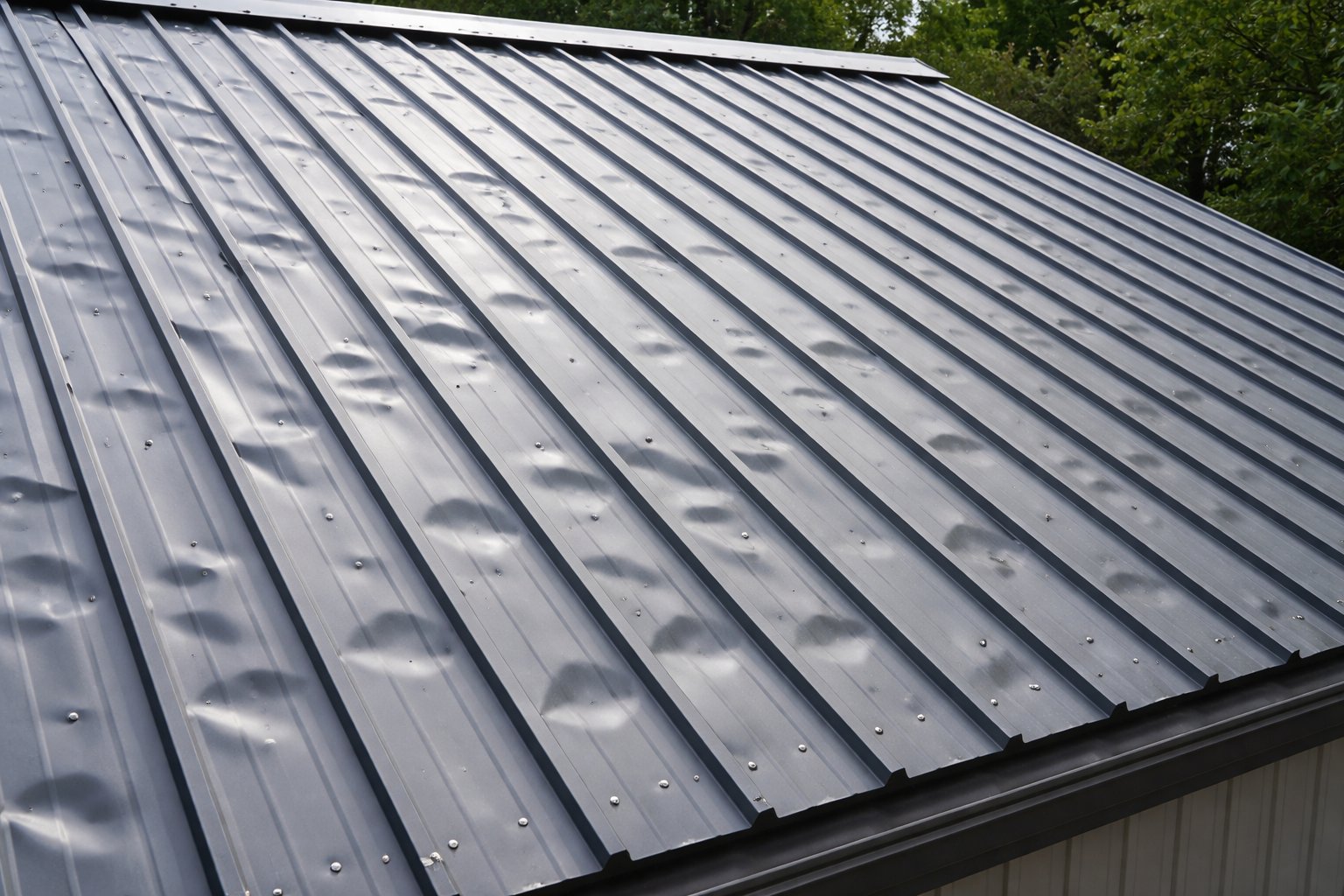
A forensic structural engineer investigates buildings and structures after something has gone wrong, damage, a failure, unexplained cracking, to establish what happened, why it happened, and whether it's linked to a specific event or existing condition. It's a distinct discipline from structural design: rather than designing a new structure to a required standard, the job is working backward from evidence to a defensible explanation of cause.
Why "Defensible" Matters
Forensic findings often feed into something with real consequences attached, an insurance claim, a dispute between neighbours, a tribunal matter, or litigation. That means the investigation and the resulting report need to be methodical and evidence-based in a way that can withstand scrutiny, not just a professional opinion offered informally. Our piece on independence under Schedule 7 covers how that rigour is maintained when a report is prepared for expert use, consistent with the Uniform Civil Procedure Rules' expert witness code that governs independent expert evidence in NSW courts and tribunals.
What the Investigation Actually Involves
Our piece on what actually happens during a structural assessment covers the on-site process in detail, but broadly it involves a physical inspection, documentation of the damage or defect, consideration of the building's history and any relevant records, and an assessment of the likely cause or causes, referenced against the applicable Australian Standards for the type of construction involved, AS 2870 for footings and slabs, AS 3700 for masonry, AS 1684 for timber framing, among others depending on what's being investigated.
Common Situations That Call for a Forensic Assessment
- Distinguishing cause, for example whether damage was caused by a specific storm event or was already present beforehand, which is central to most insurance claims.
- Impact damage, such as a vehicle striking a structure, where the extent of hidden structural effect needs to be established beyond what's visually obvious.
- Reports specifically for insurance claims, where the insurer needs an independent, defensible cause determination.
- Disputes and litigation, where the report may need to stand as expert evidence, which is where why a registered professional engineer's report carries more weight becomes directly relevant.
- Damage that's just been discovered, where what happens in the first few days can affect both safety and how well the eventual assessment and any claim hold up.