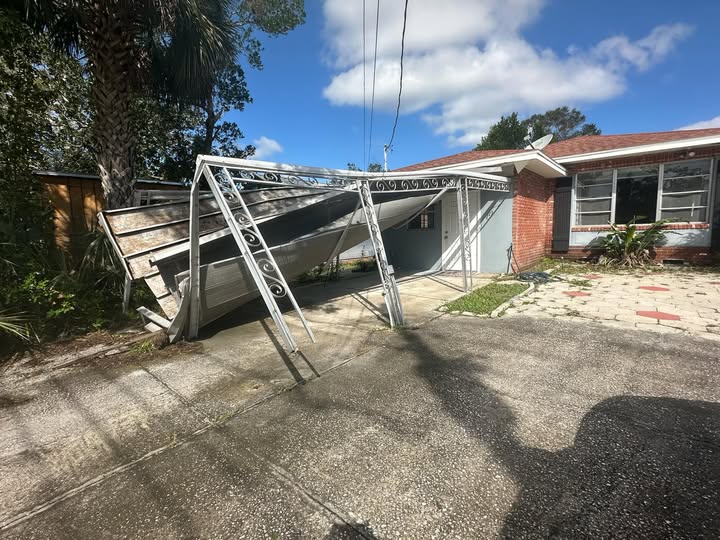
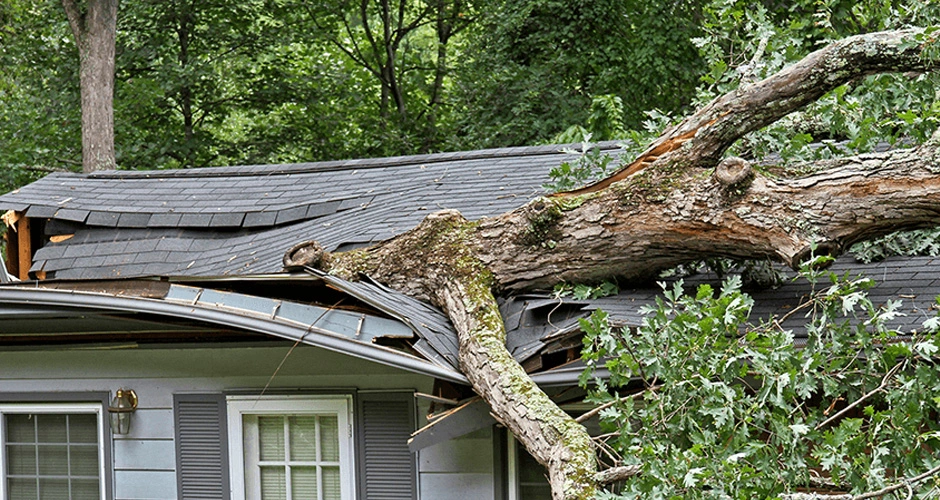
A vehicle striking a carport, garage, retaining wall, or the building itself is a common trigger for a structural assessment, and the visible damage at the point of impact is often only part of what needs checking. A structural member that's been struck can transfer that impact load into connected elements, footings, adjacent framing, or a supporting wall, in ways that aren't obvious from the outside.
Why Impact Damage Needs a Structural Assessment, Not Just Repair Quotes
A builder's repair quote typically addresses what's visibly broken. A structural assessment goes further, checking whether the impact has affected the load path through the structure, whether connections have been loosened or racked out of alignment, and whether any affected element still has adequate capacity, or needs to be replaced rather than patched. This matters particularly for carports and similar lightweight structures, where the supporting posts and their footing connections carry the entire roof load and a compromised connection isn't always visually apparent.
Documentation Matters as Much as the Finding
Because vehicle impact damage is almost always linked to an insurance claim, sometimes the vehicle owner's policy, sometimes the property owner's, the assessment needs to clearly document the damage, the likely mechanism, and the assessed extent, in a form suitable for that claims process. Our piece on structural engineer reports for insurance claims covers what insurers are actually looking for in that documentation.
What Happens Next
Once the extent of structural effect is established, the report typically sets out what needs to be repaired or replaced to restore the structure to a safe, code-compliant condition, referencing the applicable Standard for the material involved, AS 4100 for steel, AS 1684 for timber framing, or AS 3600 for concrete, depending on what was affected. This is one of a broader set of scenarios covered in our guide on what a forensic structural engineer actually does.