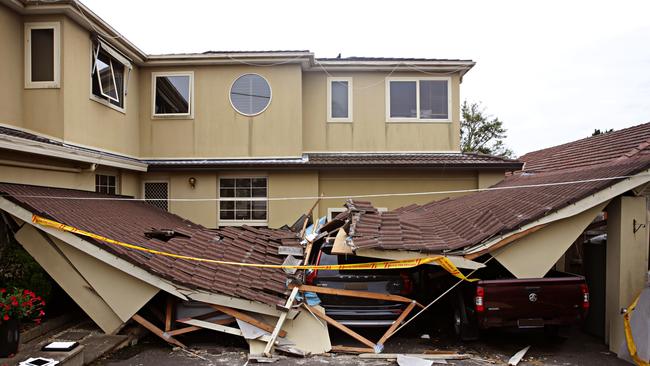
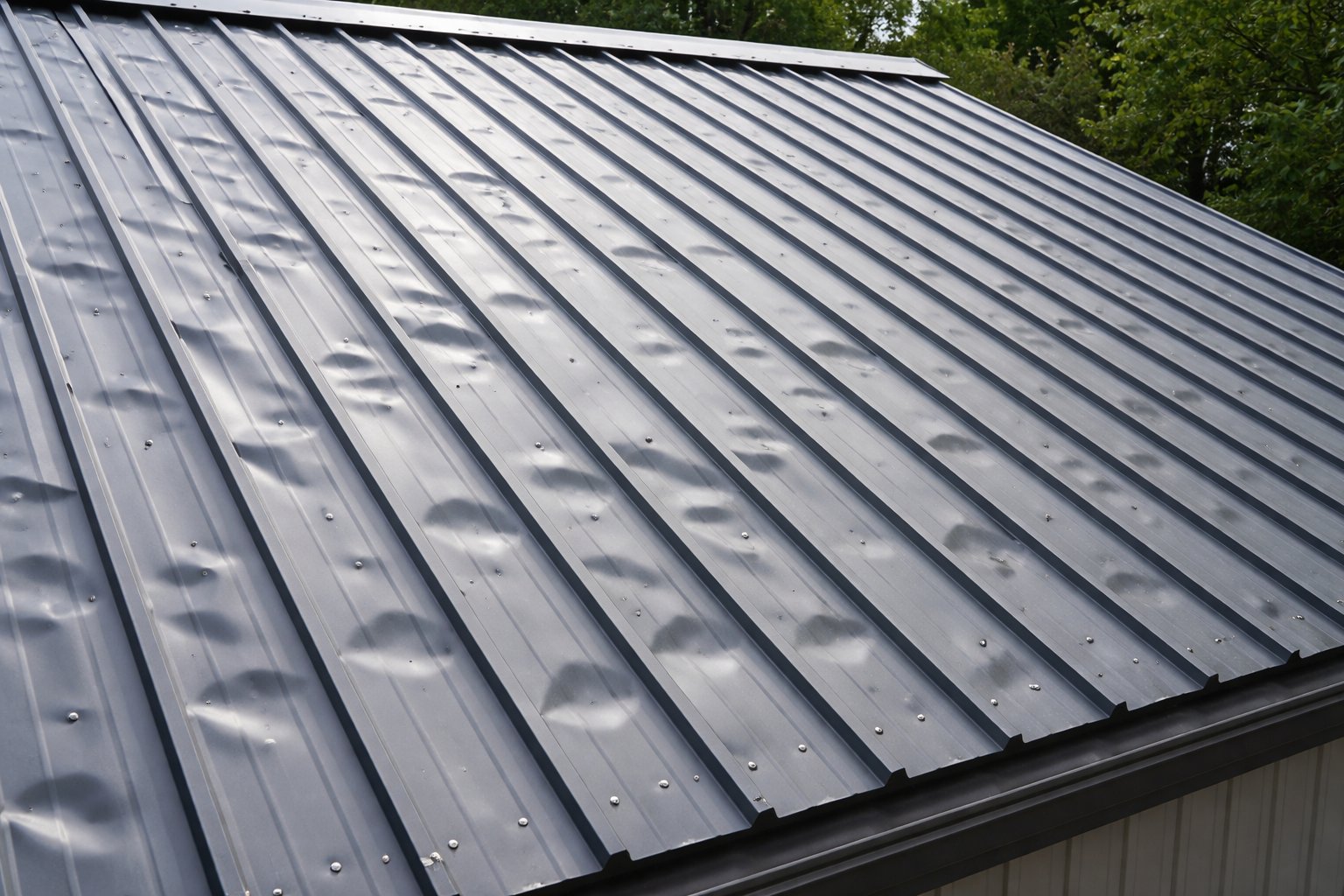
Many property insurance claims involving structural damage, whether from a storm, an impact, subsidence, or a defect, rely on an independent engineering report to establish cause and scope. Insurers need this because policy coverage typically depends heavily on cause: storm damage is usually covered, while damage from wear, poor original construction, or a pre-existing condition often isn't, and telling the two apart accurately is precisely the job of a forensic assessment.
What a Useful Report Actually Contains
An insurer-facing structural report needs to clearly establish, and support with evidence, what happened, when it likely occurred (or whether that can be determined), why it happened, and what's required to remediate it. This means the report has to go beyond a general description of damage to a defensible cause determination, referenced against the relevant Australian Standard where applicable, and supported by site observations, not assumption. Our piece on storm damage or pre-existing defect: how the difference gets determined covers this specific, common distinction in detail.
Independence Matters to the Outcome
A report commissioned independently, rather than by a party with a direct interest in a particular outcome, generally carries more weight in a claims process, and is less likely to be challenged or require a second opinion. Our piece on why a registered professional engineer's report carries more weight covers why that independence and registration status specifically matters.
Timing Matters Too
Getting an assessment done promptly after damage occurs, rather than months later, preserves evidence that can otherwise be lost, weather-affected surfaces change, temporary repairs obscure the original condition, and memory of the sequence of events fades. Where a claim is contested, the quality and timeliness of the original documentation often ends up mattering as much as the underlying facts. See our broader guide on what a forensic structural engineer actually does for how this kind of report fits into the wider forensic process.