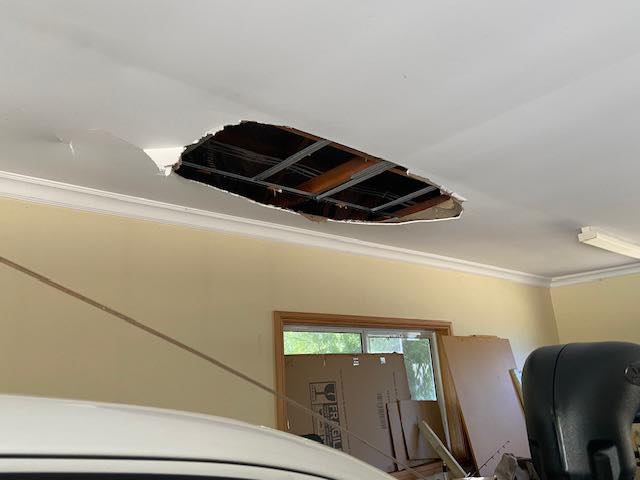
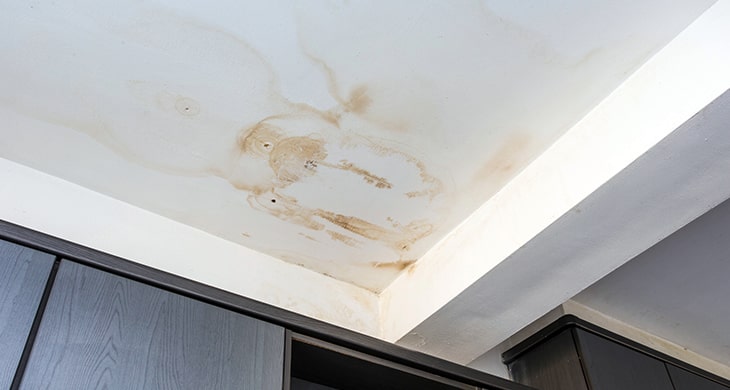
Finding a new crack, a sagging ceiling, a bulging wall, or water coming through somewhere it shouldn't is unsettling, and the instinct is often to either panic or to do nothing and hope it settles down. Neither is the right response. A calm, methodical first few days protects your safety and, separately, protects your position if the damage ends up involving an insurance claim or a dispute with a builder or neighbour.
Safety First, Always
If there's any sign the damage could be immediately dangerous, active sagging, visible structural distortion, a wall that's moved noticeably, water pooling near electrical fittings, restrict access to the area and, if in doubt, don't wait for an assessment before getting people clear of it. An engineer can advise on temporary propping or shoring if the situation genuinely warrants it, but that's a judgment call worth making conservatively in the first instance.
Document Before You Touch Anything
Photograph the damage from multiple angles, including a wide shot showing its location in the room or on the building, and a close-up with something for scale, a tape measure or a coin next to it works fine. Note the date you first noticed it, and if you can identify a likely trigger, a storm, a leak, nearby construction, jot that down too while it's fresh. This documentation matters regardless of whether a claim eventuates, and it's considerably harder to recreate convincingly after the fact than it is to capture in the moment.
Don't Start Repairs Before It's Assessed
It's a natural instinct to want to patch a crack or mop up water straightaway, but repairing or covering damage before it's been properly documented and assessed can make it genuinely harder, sometimes impossible, to establish cause later. That matters both for an insurance claim and for a dispute with a builder, a neighbour's contractor, or anyone else potentially responsible. Reasonable steps to prevent the damage getting worse, like tarping an exposed roof or shutting off a leaking pipe, are a different thing, and are generally expected, insurers typically require a policyholder to take reasonable steps to prevent further loss once damage is discovered, sometimes called a duty to mitigate, which is a standard feature of Australian general insurance contracts and reflected in industry guidance under the General Insurance Code of Practice. The distinction is between preventing further damage and disguising or repairing the damage itself before it's been recorded.
Get an Independent Assessment
An independent structural assessment establishes what actually happened, how serious it is, and, where relevant, why. This is the foundation for everything that follows, whether that's simple peace of mind, a scope of remedial works, or documentation to support an insurance claim, which our piece on structural engineer reports for insurance claims covers in more detail. Getting this done promptly, rather than months later, preserves evidence that otherwise degrades or gets obscured.
Notify Your Insurer Early, Even Before You Have All the Answers
If there's any chance the damage might be claimable, notifying your insurer promptly, even with limited information at that stage, is generally better than waiting until you have a complete picture. Most policies require notification within a reasonable time, and delaying can complicate a claim even when the underlying damage itself would have been covered.