Sydney and NSW have a large stock of homes built well before modern footing and construction standards existed. That doesn't mean an older house is a bad buy, plenty are perfectly sound, but it does mean the things worth checking are different to what matters in a house built in the last twenty years.
Original Footings, Unknown History
Many older homes predate AS 2870, the current Australian Standard for residential slabs and footings, which means the original footing design (if any formal design existed at all) wasn't necessarily matched to the site's actual soil reactivity the way a modern footing would be. Decades of seasonal ground movement on a footing that wasn't sized for it is a common source of the cracking seen in older properties, our piece on how reactive clay can cause house cracking covers the underlying mechanism.
Additions Built at Different Times
It's common for an older house to have been extended one or more times over its life, sometimes with proper engineering and certification, sometimes without. Each addition potentially sits on a different footing system to the original dwelling, and the junction between old and new is a common location for differential movement and cracking to show up. Worth asking the agent or vendor directly whether any extension work was council-approved and engineered.
Masonry Condition
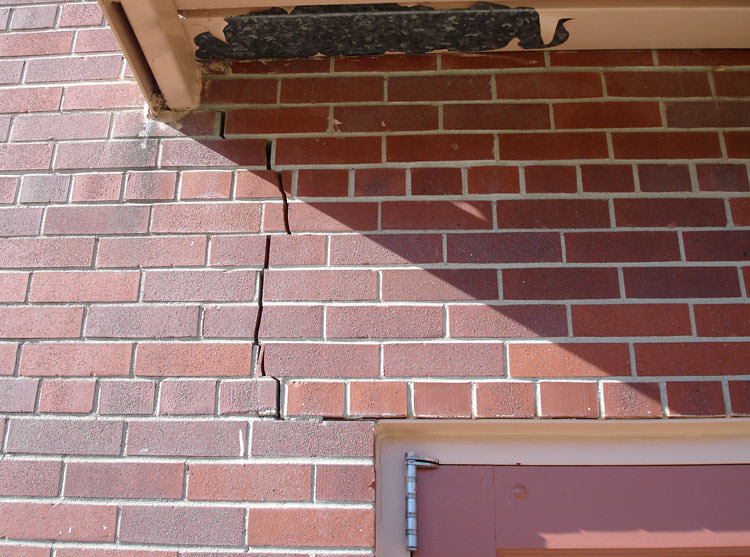
Older brick and masonry walls are worth a closer look against AS 3700, the Standard for masonry structures, particularly for repointing history (a sign of past movement that was patched rather than addressed), rendering that could be hiding cracking underneath, and diagonal cracking through brickwork, covered in detail in diagonal cracks in brick walls.
Roof and Ceiling Age
Older roof structures and ceiling linings have had more time to accumulate wear, water damage, or the effects of an inadequate original installation. It's worth checking whether previous renovations touched the roof or ceiling, and to what standard.
The Practical Approach
None of this means avoiding older homes, it means going in with eyes open. A pre-purchase structural assessment on an older property is specifically valuable because it separates cosmetic age (which is normal and expected) from genuine structural risk (which isn't), giving you an informed basis for your offer rather than a guess. See our broader guide on whether you need an engineer before buying a house for how that decision generally works.