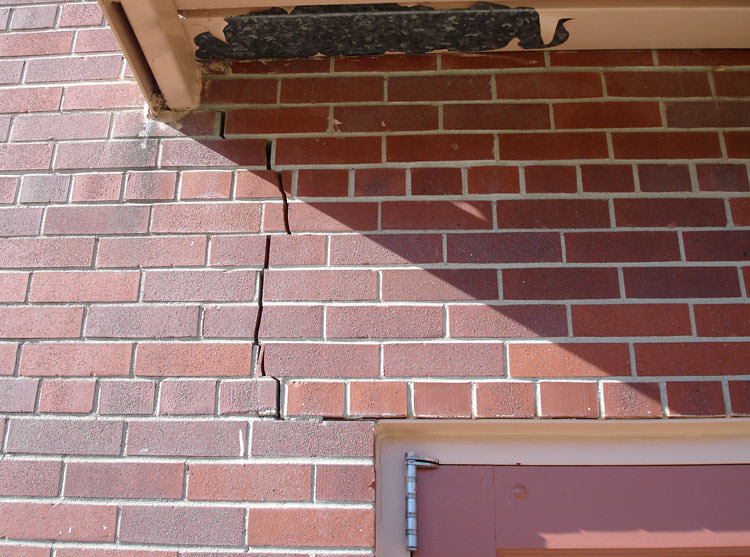
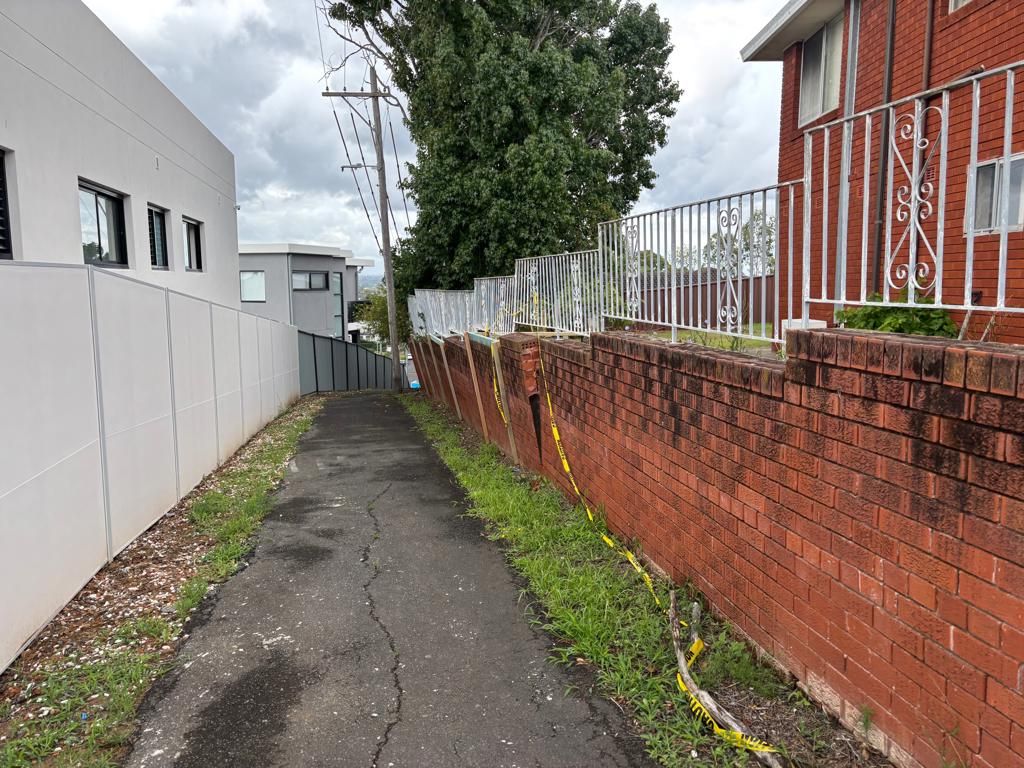
Underpinning means extending or strengthening an existing footing, usually by installing new support beneath it, to increase its bearing capacity or reach more stable ground than the original footing sits on. It's a genuine, well-established remedial technique, but it's also a significant and relatively expensive intervention, and it isn't the default answer to every crack or every sign of movement covered in our piece on signs your house may be moving.
What Actually Warrants It
Underpinning is generally warranted where an assessment establishes that a footing is failing to adequately support the structure, ongoing or progressive settlement beyond what the site's soil classification under AS 2870 would predict, a footing that was undersized or inadequately founded in the first place, or ground conditions that have genuinely changed, a nearby excavation removing support, a leaking pipe eroding material beneath a footing, or, less commonly in Sydney's clay-dominated geology, a void or subsidence issue of the kind covered in our piece on subsidence vs normal building movement. The key word is progressive, ordinary seasonal movement in reactive clay, the kind covered in our piece on how reactive clay causes house cracking, is designed for within the AS 2870 framework and doesn't, on its own, mean a footing has failed.
Why It's Often Suggested Too Readily
Underpinning is a visible, tangible-sounding fix, which makes it an easy thing for a builder or a well-meaning tradesperson to suggest without a proper assessment behind it. In practice, a meaningful proportion of cracking that gets a homeowner worried about underpinning turns out, once properly assessed, to be stable, seasonal, or cosmetic movement that doesn't need it at all. Recommending underpinning without first establishing that a footing is actually inadequate, rather than just visibly cracked, risks a homeowner paying for a major structural intervention that doesn't address, and wasn't needed to address, the actual cause.
What the Alternative Usually Looks Like
Where movement is confirmed as seasonal and within the site's classified range, the remedial approach is typically much less invasive: consistent soil moisture management around the footing (the kind of guidance covered in the CSIRO's foundation maintenance guide), addressing a specific trigger like a leaking pipe or poor drainage, and cosmetic repair of the cracking itself once the cause is under control. Underpinning is reserved for cases where the footing genuinely can't be brought back into an acceptable state any other way.
Getting the Diagnosis Right First
Because underpinning is expensive and disruptive, the value of an independent structural assessment before committing to it is establishing, with actual evidence rather than a visual guess, whether it's genuinely needed, and if so, what scope is actually required, since underpinning a whole footing line when only a section needs it is its own kind of costly over-correction. This is the same diagnostic approach covered more generally in our piece on whether a crack is actually structural.