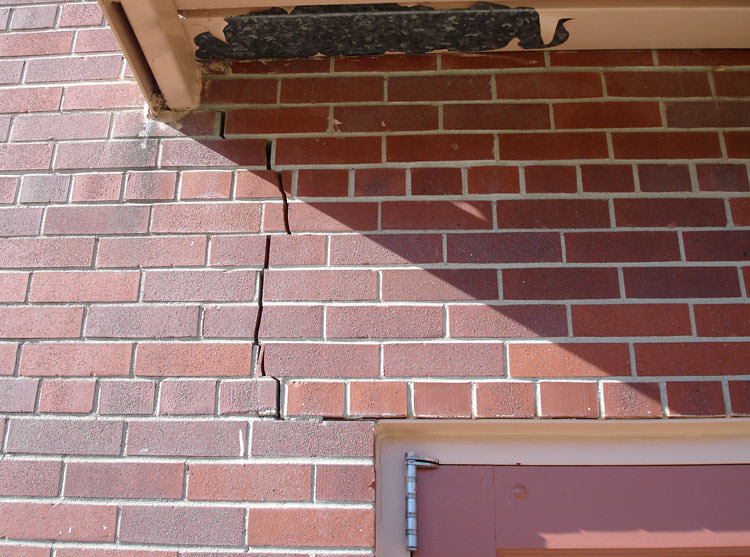
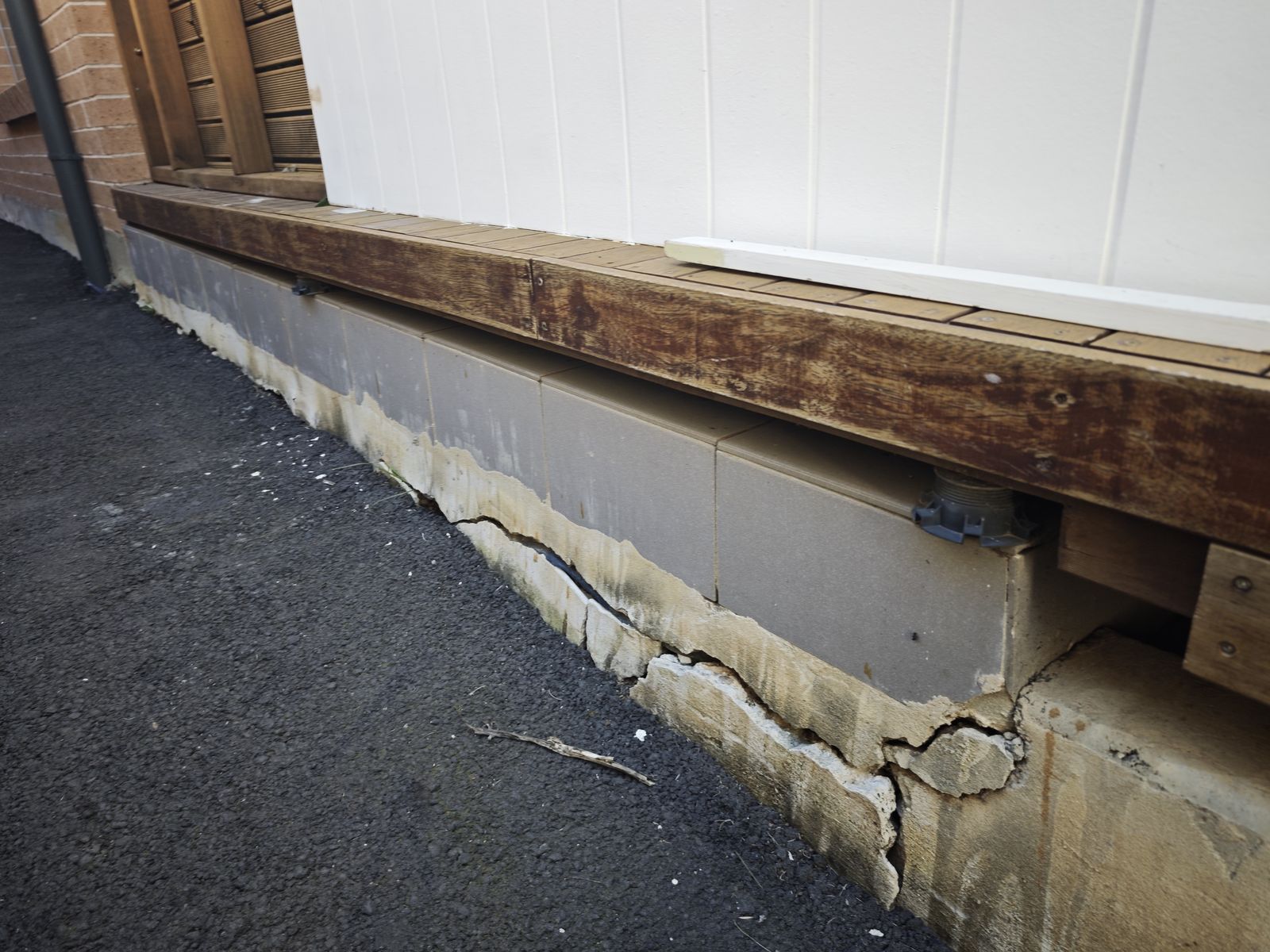
The short answer: most cracks are not structural. Houses move a small amount as materials dry out, as seasons change, and as the soil beneath them shrinks and swells, and that movement shows up as fine cracking in plaster, cornices, and mortar joints. It's normal, and in most cases it isn't a sign the building itself is at risk.
A smaller number of cracks are different. They're the visible result of an underlying structural cause, footing movement, a failing support, water affecting the foundation, and they tend to follow patterns that a cosmetic crack doesn't. Telling the two apart from a photo alone is genuinely difficult, which is exactly why "is this crack structural" is one of the questions we're asked most often in Sydney and across NSW.
What Usually Makes a Crack Cosmetic
Cosmetic cracking is typically fine, hairline, confined to a single surface such as a plaster wall or cornice, and stable over time, it isn't getting wider or longer when you check back on it months later. It often shows up around known movement points: where a new extension meets an older part of the house, along control joints, or near internal corners where different materials meet. This kind of cracking is a maintenance item, not a structural one.
Patterns That Point to a Structural Cause
A handful of patterns are worth taking seriously rather than filling and repainting over:
- Diagonal, stepped cracking in brickwork, particularly running from the corner of a window or door opening. This pattern is a classic sign of differential movement between parts of the footing system.
- Cracking that runs through more than one material, for example continuing from a brick wall into the adjoining cornice or ceiling, rather than stopping at a joint.
- Cracks that are actively widening, particularly if you can measure or photograph the change over a few weeks or months.
- New cracking that shows up shortly after heavy rain following a dry spell, a common and specific trigger explained in why heavy rain can cause new cracking in your house.
- Cracking accompanied by other symptoms, especially doors and windows that have started binding or no longer close properly, visible unevenness in floors, or gaps opening up at skirting boards.
- Cracking in a recently built home that goes beyond fine joint-line hairlines, covered in our piece on cracking in a new build and normal settlement.
- New cracking that appeared suddenly, especially following a trigger event such as a long dry spell, heavy rain, nearby excavation, or construction on an adjoining property.
How the Assessment Actually Works
A structural assessment doesn't rely on eyeballing crack width alone. Crack width is a starting point, but the pattern, location, and behaviour over time matter more, which is exactly what our companion piece on how to tell if a wall crack is serious covers in more detail, including the classification framework set out in AS 2870, the Australian Standard for residential slabs and footings. In practice, an engineer is also weighing up the likely cause, whether that's reactive clay movement, tree root influence, a drainage issue, or something related to nearby construction, since the cause determines whether the fix is genuinely structural or just cosmetic. Where the cracking is tied to broader foundation movement rather than an isolated wall, the assessment looks at the whole building, not just the crack itself, which is the approach covered in our checklist of signs your house may be moving. It's also worth knowing that genuine movement of this kind is not the same thing as subsidence, a term that gets used loosely but has a specific engineering meaning, and that a genuine footing issue doesn't automatically mean underpinning, which is a significant intervention reserved for a smaller set of cases than it's often suggested for.
When to Get It Looked At
See our full guide on when to call a structural engineer for cracks for a practical checklist, but in short: if a crack is actively growing, follows one of the patterns above, or you're about to buy or sell the property, it's worth getting an independent structural opinion rather than guessing from a photo or a general building and pest report. We've seen both outcomes come out of a proper inspection: cracking that turns out to be entirely pre-existing and unrelated to any recent event, and cracking that points to a real underlying issue once it's actually investigated on site. Either way, knowing which one you're dealing with is what lets you make a sensible decision about what happens next.