After a storm, or once nearby construction starts, it's common for damage to get blamed on whichever event happened most recently, whether or not that's actually what caused it. Working out the real cause matters, for insurance claims, for disputes with a builder, and simply for knowing what you're actually dealing with. It's a core part of what a forensic structural engineer does, and our piece on structural engineer reports for insurance claims covers what insurers actually need from the resulting documentation.
How Causation Actually Gets Determined
It's not a guess, and it's not simply timing. A proper causation assessment looks at several things together:
- The crack pattern itself. Different failure mechanisms leave different, identifiable signatures, a storm-related failure looks different to differential settlement, which looks different again to drainage-related movement.
- Construction history. When was the structure built, and does the damage pattern match a known weak point in that construction type or era.
- What else could explain it. Failed drainage, nearby tree roots, and pre-existing settlement are all real, common causes that have nothing to do with a storm or nearby works, and ruling them in or out is part of the job.
Real Examples, Both Directions
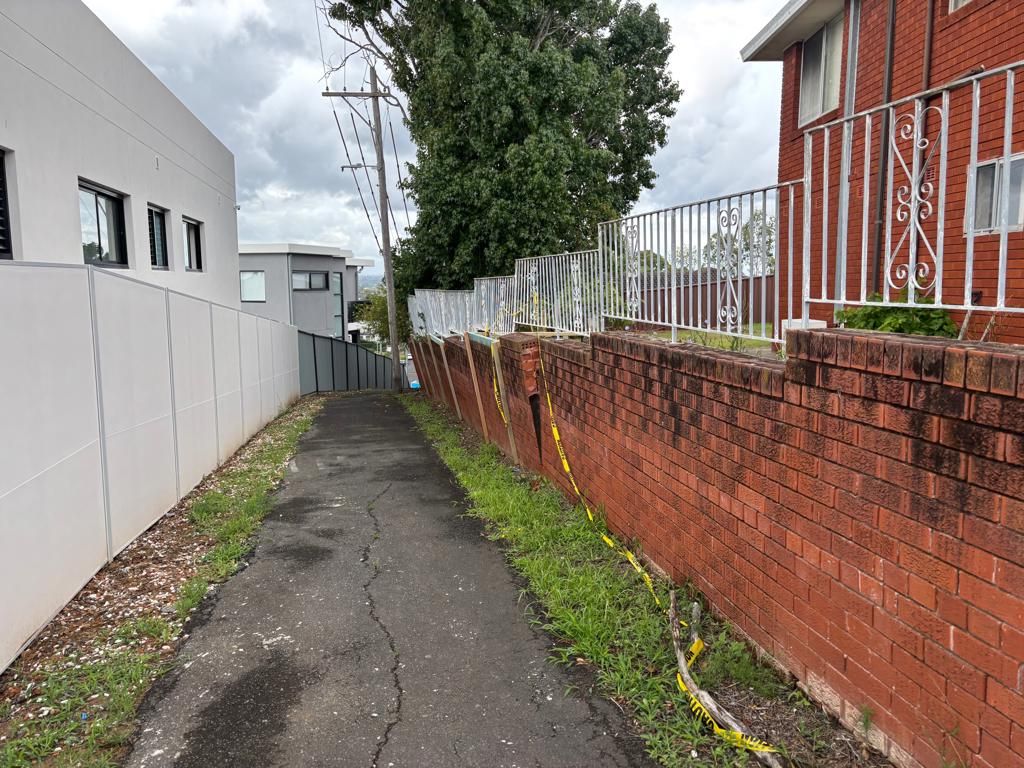
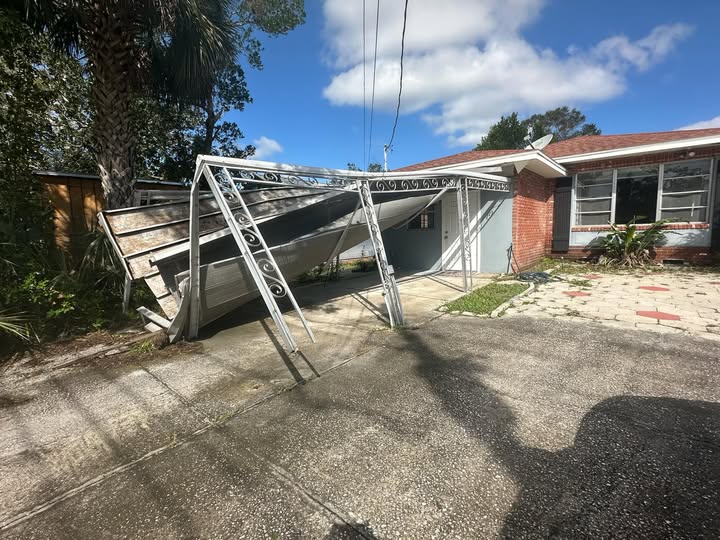
In one case, a builder was engaged to assess a retaining wall a neighbour believed had been damaged by adjoining excavation. Investigation found the actual cause was a failed agricultural drainage pipe and nearby tree root influence, unrelated to the works entirely. In another, wind loading during an actual storm event was confirmed as the cause of a carport collapse, directly supporting the resulting insurance claim.
Same starting question in both cases, completely different answers, because the finding followed the evidence rather than the assumption.