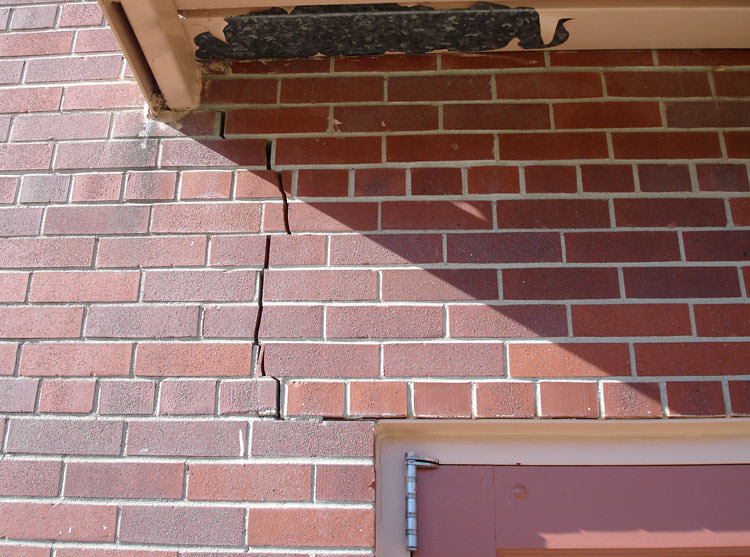
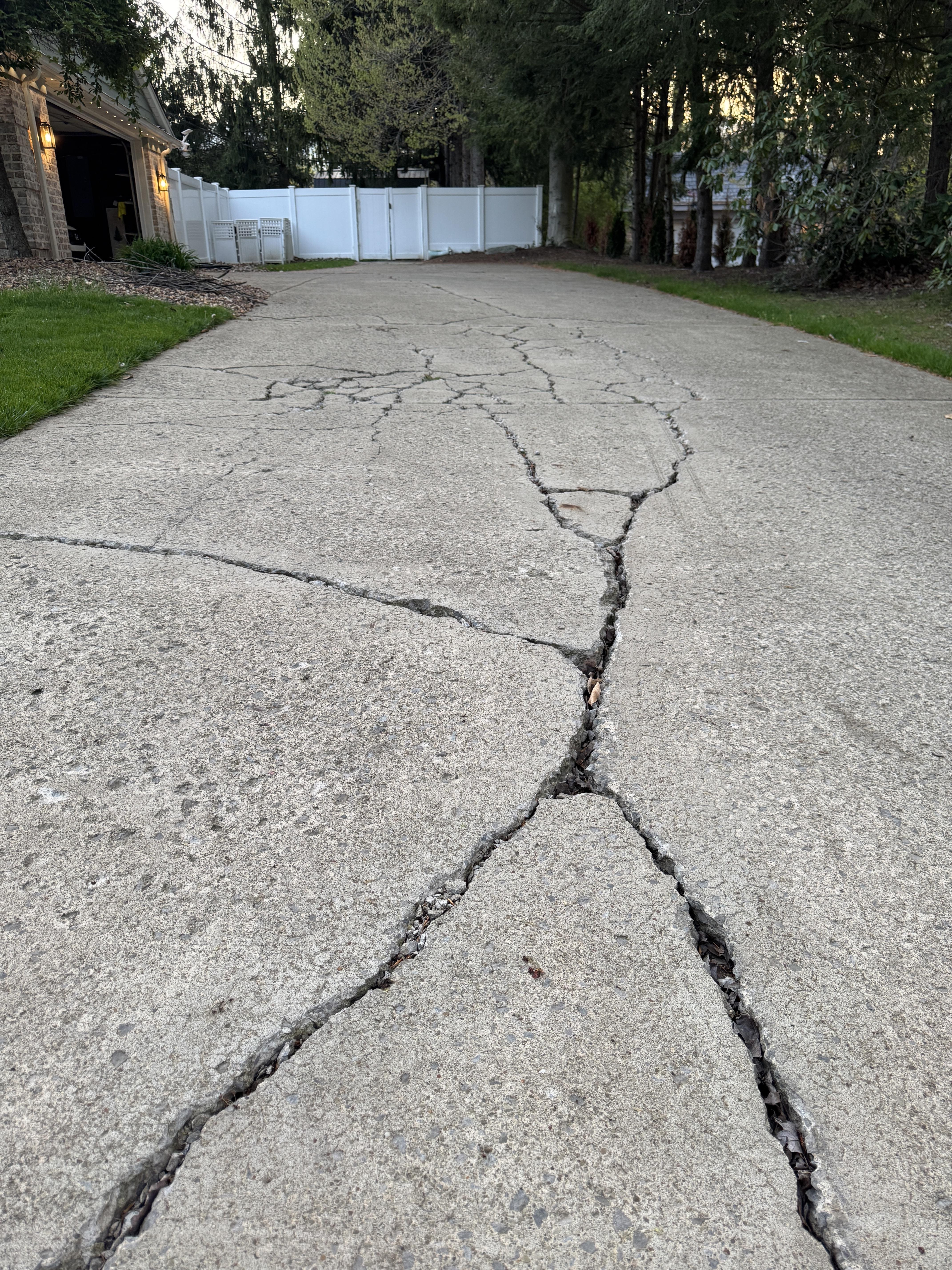
Reactive clay is a type of soil that changes volume significantly as its moisture content changes, shrinking as it dries out and swelling as it absorbs water. Much of the Sydney basin and large parts of NSW sit on clay soils with moderate to highly reactive classifications, which is exactly why footing movement and associated cracking is such a common concern for homeowners in this region rather than a rare defect.
How the Mechanism Actually Works
A house footing sits on or in the soil, and if that soil expands and contracts unevenly beneath different parts of the footing, the footing itself is forced to move unevenly too. A few conditions commonly drive that unevenness:
- Uneven watering or drainage, one side of a house watered by a garden bed or downpipe overflow while the other stays dry.
- Large trees close to a footing, drawing significant moisture from the soil on one side of the house, particularly during dry periods.
- Seasonal extremes, a prolonged dry spell followed by heavy rain, which the Bureau of Meteorology's climate records show is a recurring pattern across NSW, produces exactly the kind of moisture swing that reactive clay responds to most.
- A new garden bed, pool, or paved area installed close to the footing after the house was built, changing how water drains around the perimeter.
How AS 2870 Accounts for It
AS 2870, the Australian Standard for residential slabs and footings, exists largely to manage this exact risk. It classifies sites (from Class A, the least reactive, through to Class P, problem sites, with several classes for increasing clay reactivity in between) so that footings can be designed with enough stiffness and depth to tolerate the expected ground movement for that site. The CSIRO's widely referenced guide to foundation maintenance and footing performance builds on the same standard to give homeowners practical guidance, principally around keeping soil moisture conditions around a footing as consistent as reasonably possible, rather than letting them swing between saturated and parched.
What This Means If You're Seeing Cracking
Cracking linked to reactive clay movement doesn't automatically mean a footing has failed or was poorly designed, sites were classified and footings were designed to move within a tolerance, and cracking within that tolerance is expected rather than a defect. The concern is when movement exceeds what the footing was designed for, which is why an assessment looks at the pattern, extent, and behaviour of cracking over time rather than treating any cracking as automatically serious. Our pieces on whether cracks are structural and diagonal cracking in brick walls go into the specific patterns worth paying attention to.
What Can Be Done
Where reactive clay movement is identified as the cause, the response depends on severity, ranging from managing site drainage and watering practices for minor, stable movement through to underpinning or other remedial footing works for more significant, ongoing cases. That decision should follow a proper structural assessment rather than guesswork, since the wrong fix for the wrong cause is a common source of wasted money.