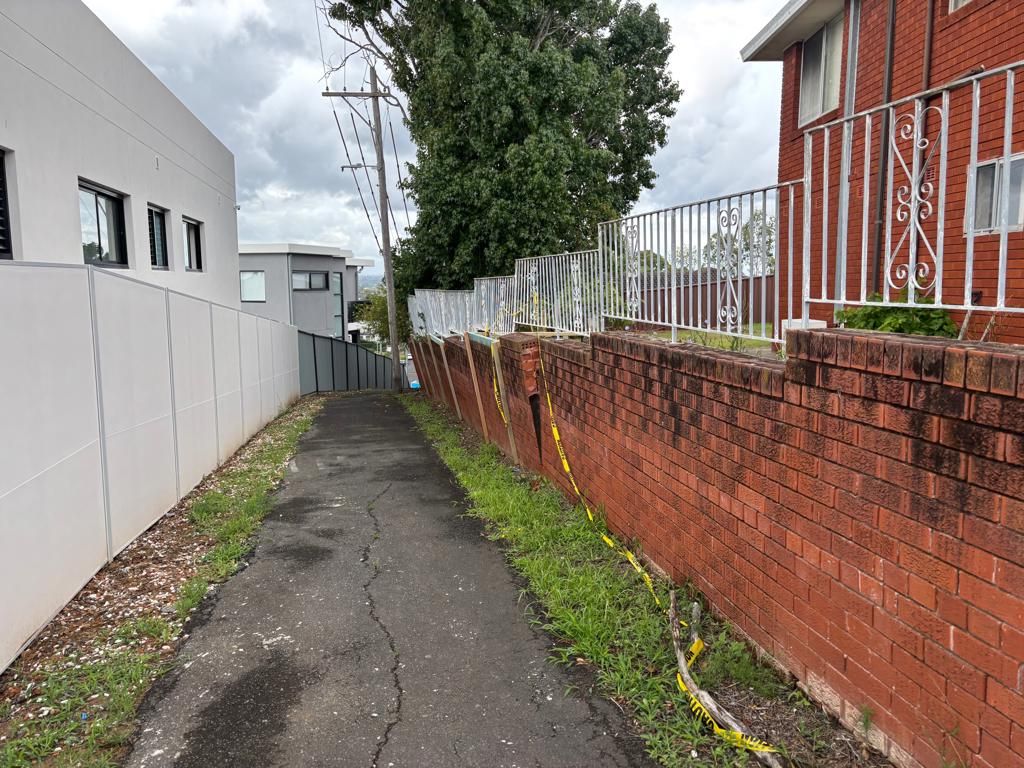
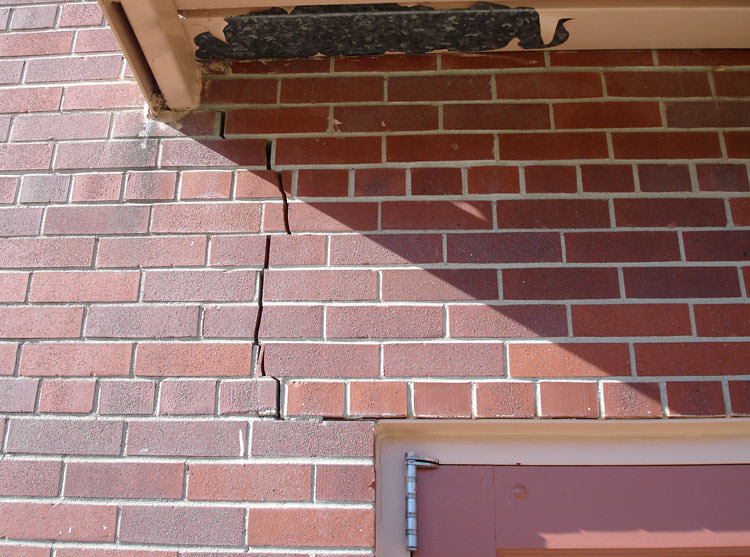
Almost every house develops some cracking over its life. Most of it is completely normal, the kind of minor movement that happens as materials settle and seasons change. But some cracking is a genuine early warning sign, and the difference isn't always obvious from looking at it once.
Width Is a Starting Point, Not the Whole Story
Structural engineers in Australia classify crack damage using a standard framework (AS2870), ranging from negligible hairline cracking through to severe structural damage. It's a useful reference point, but width alone doesn't tell the full story.
| Category | Description | Approx. Width |
|---|---|---|
| 0 — Negligible | Hairline, no action needed | Under 0.1mm |
| 1 — Very Slight | Fine, easily filled | Up to 1.0mm |
| 2 — Slight | Noticeable, doors/windows may stick slightly | Up to 5.0mm |
| 3 — Moderate | Needs proper repair | 5.0–15.0mm |
| 4 — Severe | Extensive repair required | 15.0–25.0mm |
| 5 — Very Severe | Structural, major works required | Over 25.0mm |
What Actually Changes the Picture
A hairline crack that's been sitting there unchanged for five years is a very different situation to a 2mm crack that's visibly widened in the last month. What matters more than the snapshot measurement is:
- Is it getting worse? Static cracking is far less concerning than active movement.
- When did it start, and did anything happen around that time? A crack that appeared right after a storm, nearby excavation, or a long dry spell tells a different story than one that's always been there.
- Is anything else happening alongside it? Doors or windows that have started sticking, gaps opening at cornices, or new cracking in more than one location are all worth paying attention to.
When to Get It Looked At
If a crack is actively growing, appeared suddenly, or you're planning to buy or sell the property, it's worth an independent structural opinion rather than guessing from a photo. We've seen cases go both ways, cracking that turned out to be entirely pre-existing and unrelated to nearby works, and cracking that pointed to a real underlying cause once properly investigated. For a broader look at the patterns that separate structural cracking from cosmetic cracking in the first place, see are cracks in my house structural?