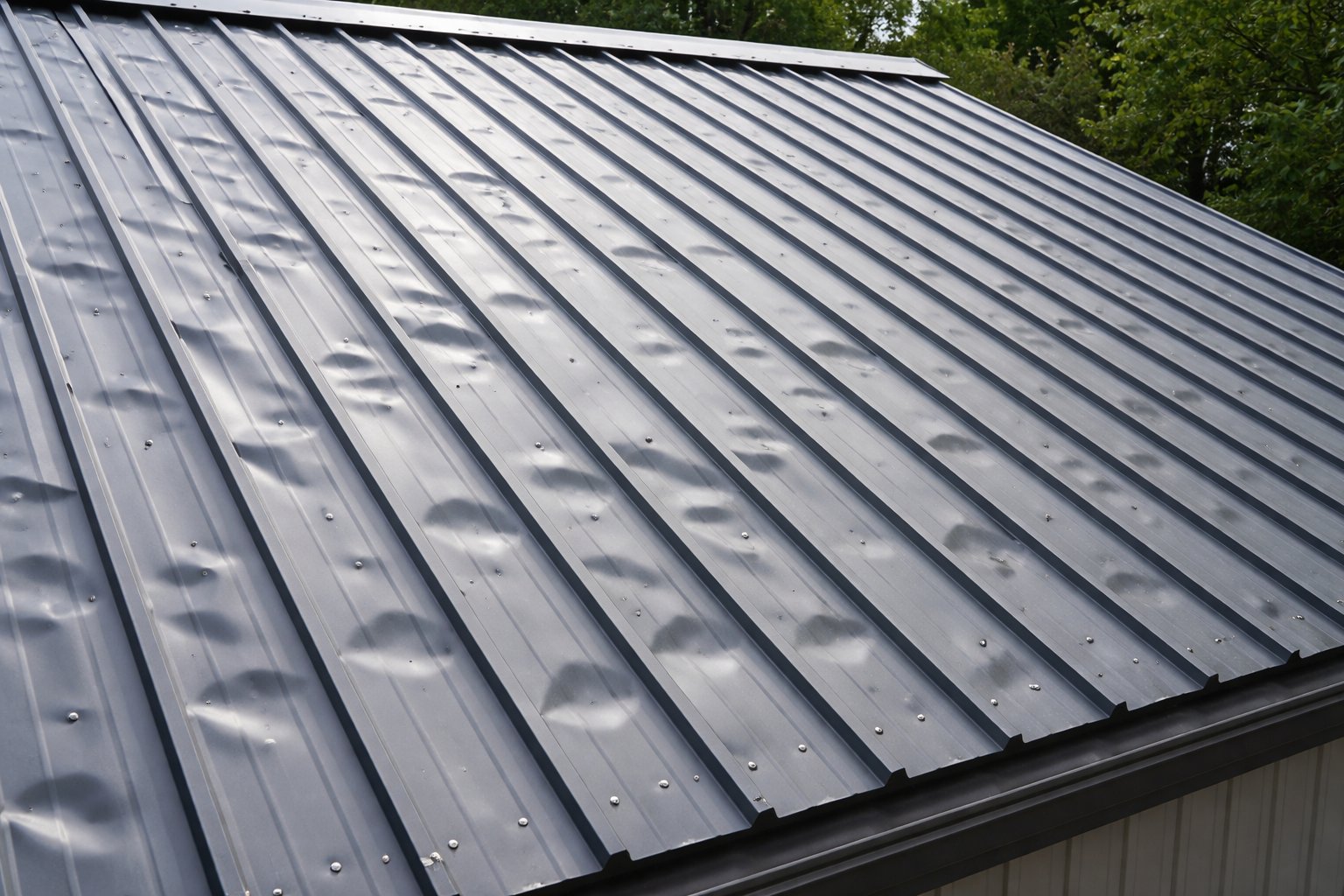
A Colorbond or Zincalume roof showing corrosion well before the end of its expected service life prompts an obvious question: is this a manufacturing defect covered under warranty, or has something about the installation, environment, or maintenance caused it? Our piece on what BlueScope's TB-32 actually covers for hail damage looks at the equivalent question for impact damage; corrosion works on a similar principle, the manufacturer's own published terms set out exactly what is and isn't covered, and an assessment needs to work through those criteria rather than assume either outcome.
What Voids the Coverage
BlueScope's published warranty terms for Colorbond roofing exclude corrosion caused by a defined set of conditions, including installation in a severe marine or otherwise unusually corrosive environment, contact with incompatible materials such as copper, other dissimilar metals, treated timber, or fertiliser and ash residue, and exposure to chemical agents beyond ordinary rainfall, such as fumes or sunscreen residue in a pool environment. None of these point to a defect in the product itself, they point to conditions the warranty was never designed to cover in the first place.
Maintenance Obligations the Warranty Assumes
The warranty also assumes a level of ongoing maintenance, most notably a minimum six-monthly wash-down with fresh water to remove salt, dust, and other residues that would otherwise accelerate corrosion, along with prompt replacement of corroded fasteners and use of only approved fasteners and flashings during installation. A roof that's never been washed, or that's fitted with the wrong fasteners, can develop genuine corrosion that still falls outside what the manufacturer is obliged to cover.
What a Proper Assessment Actually Establishes
Separating a genuine coating or product defect from an excluded cause means examining the corrosion pattern itself, where it's concentrated, whether it correlates with fastener locations, dissimilar-metal contact points, or areas exposed to a specific chemical source, alongside the roof's age, location, and known maintenance history. This is the same forensic approach covered in our piece on what a forensic structural engineer actually does, applied specifically to a roofing material dispute rather than a structural one.
Why This Matters for a Claim
Whether the claim runs through the manufacturer's warranty, a builder's statutory warranty, or an insurance policy, the underlying question is the same: was this corrosion caused by something the responsible party should reasonably answer for, or by an excluded environmental or maintenance factor. An independent assessment that actually works through the manufacturer's own published criteria, rather than a general visual opinion, gives whoever is assessing the claim a defensible basis either way.