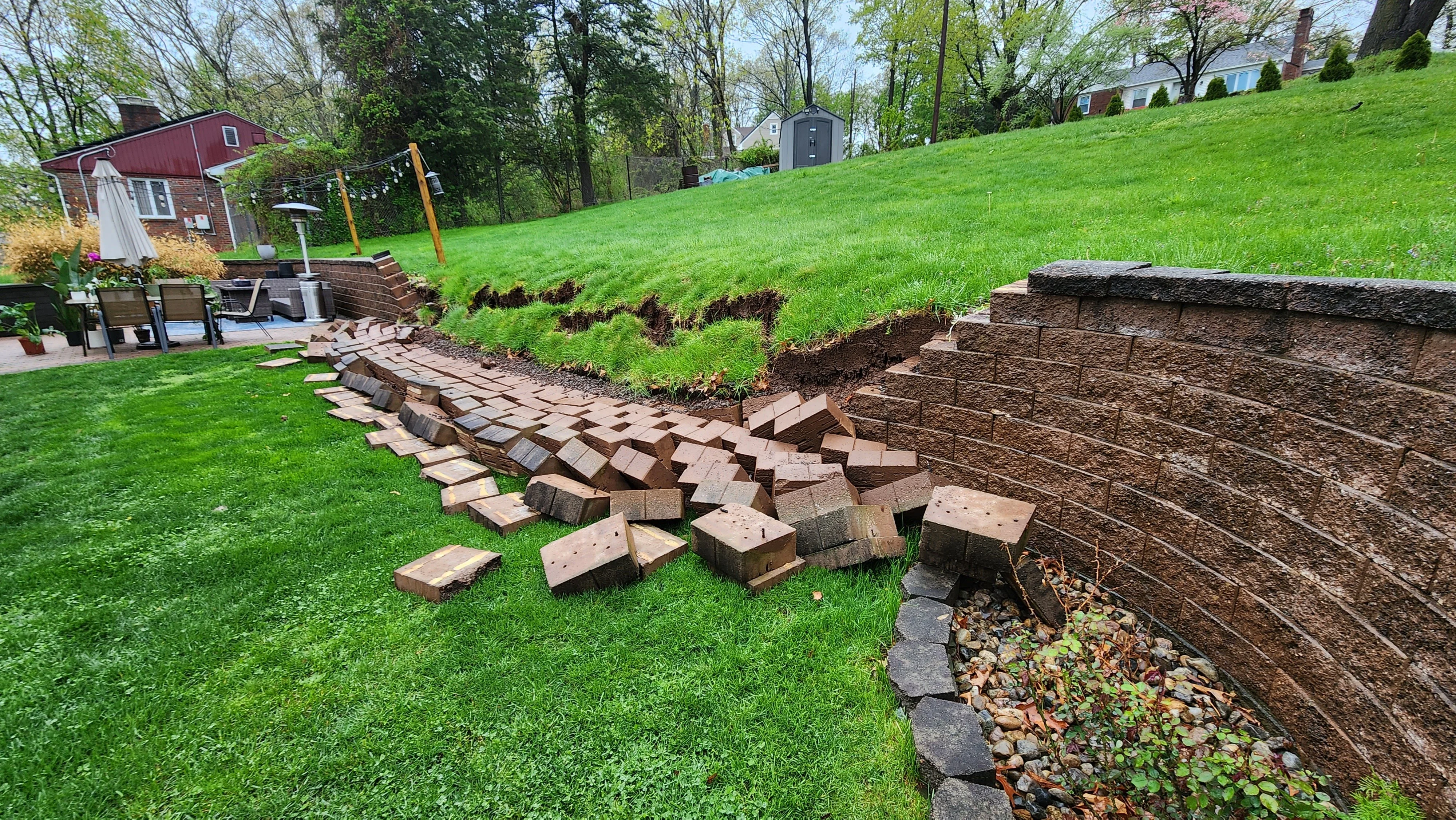
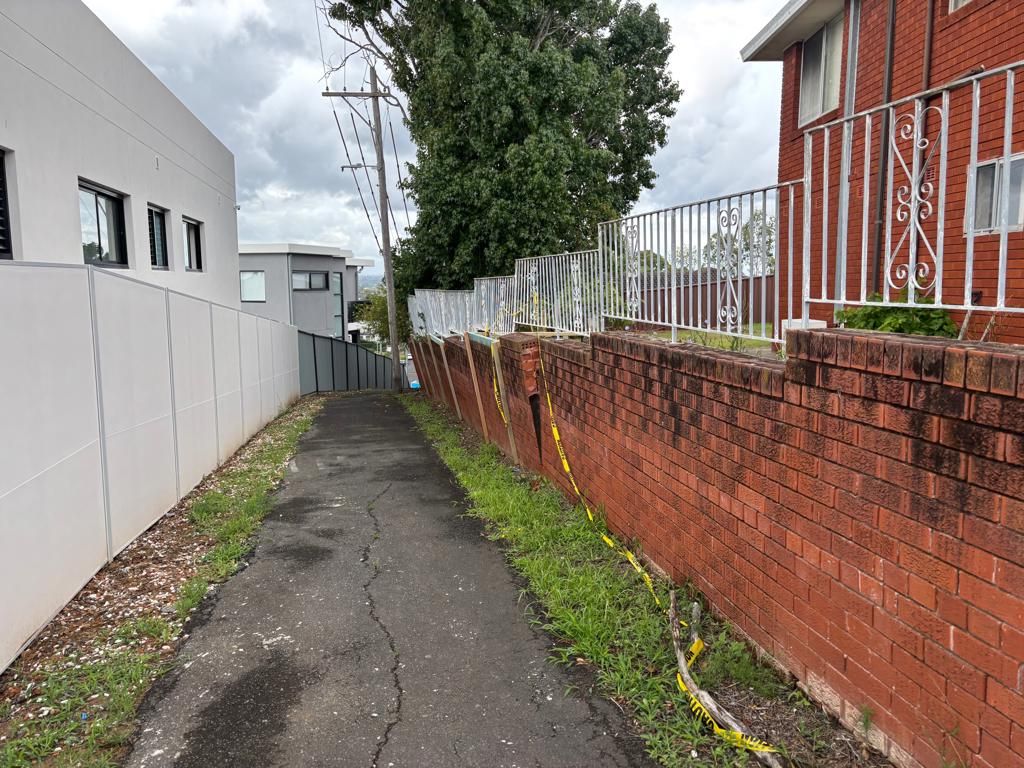
Subsidence, properly defined, is the sinking or settling of the ground itself, a genuine loss of support beneath a structure, often caused by voids, erosion, mining activity, or a significant, ongoing loss of soil volume. It's a real phenomenon, but it's far less common than the everyday cyclical movement that reactive clay soils go through every year, and confusing the two leads to a lot of unnecessary worry.
Normal Building Movement: Seasonal and Reversible
Most residential building movement in Sydney and across NSW is cyclical, driven by reactive clay soils expanding and contracting with seasonal moisture change, as covered in our piece on how reactive clay can cause house cracking. This movement is accounted for in how footings are designed under AS 2870, the Australian Standard for residential slabs and footings, which classifies every site according to its expected reactivity and sizes footings accordingly. Some fine cracking as a result of this cyclical movement is expected and normal, it isn't subsidence, and it generally isn't progressive.
Genuine Subsidence: Progressive and Non-Reversible
True subsidence is different in character. It tends to be progressive rather than seasonal, meaning it continues in one direction over time rather than expanding and contracting with the weather, and it's typically associated with an identifiable cause: a void or old excavation beneath the site, erosion from a leaking pipe washing out supporting soil, a nearby excavation removing lateral support, or, in some areas, historical mining activity affecting ground stability at depth. It often shows up as localised sinking rather than the more generalised cracking pattern typical of reactive clay movement.
How the Distinction Actually Matters
The distinction isn't just academic. Insurance policies typically treat subsidence very differently to ordinary footing movement, and the remedial approach is different too: normal seasonal movement is usually managed through moisture management and, where needed, reinforcement or underpinning proportionate to the site classification, while genuine subsidence needs the underlying cause (the void, the leak, the erosion) identified and addressed directly, or any structural repair simply won't hold. An assessment that correctly tells the two apart is central to getting the right outcome, whether that's for your own peace of mind or for an insurance claim, and is part of the broader question of whether a crack is actually structural. For a real-world illustration of how disputed subsidence causes can become, see our piece on the Camden land subsidence case, an ongoing NSW Supreme Court matter over sinking land at Spring Farm.