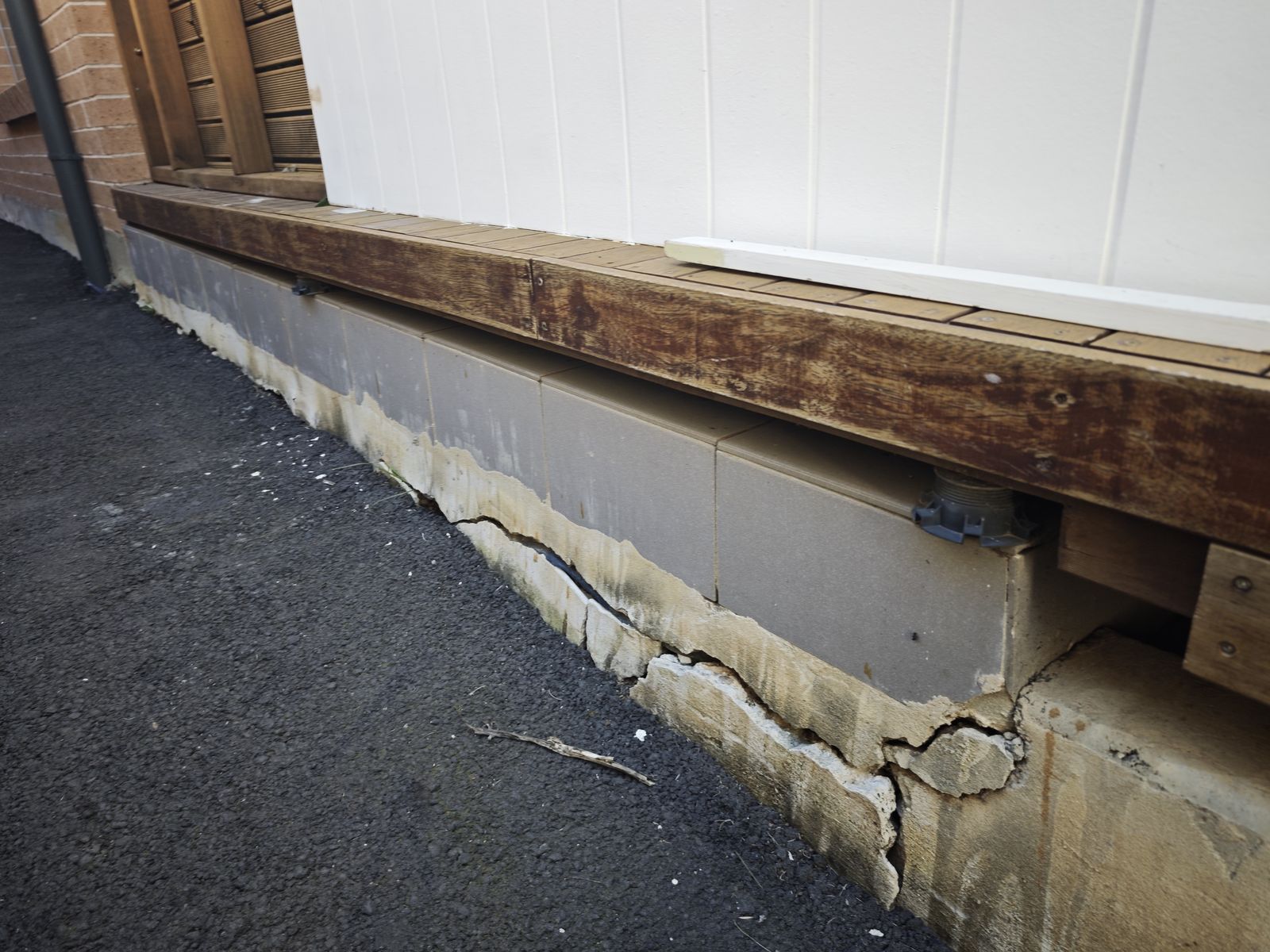
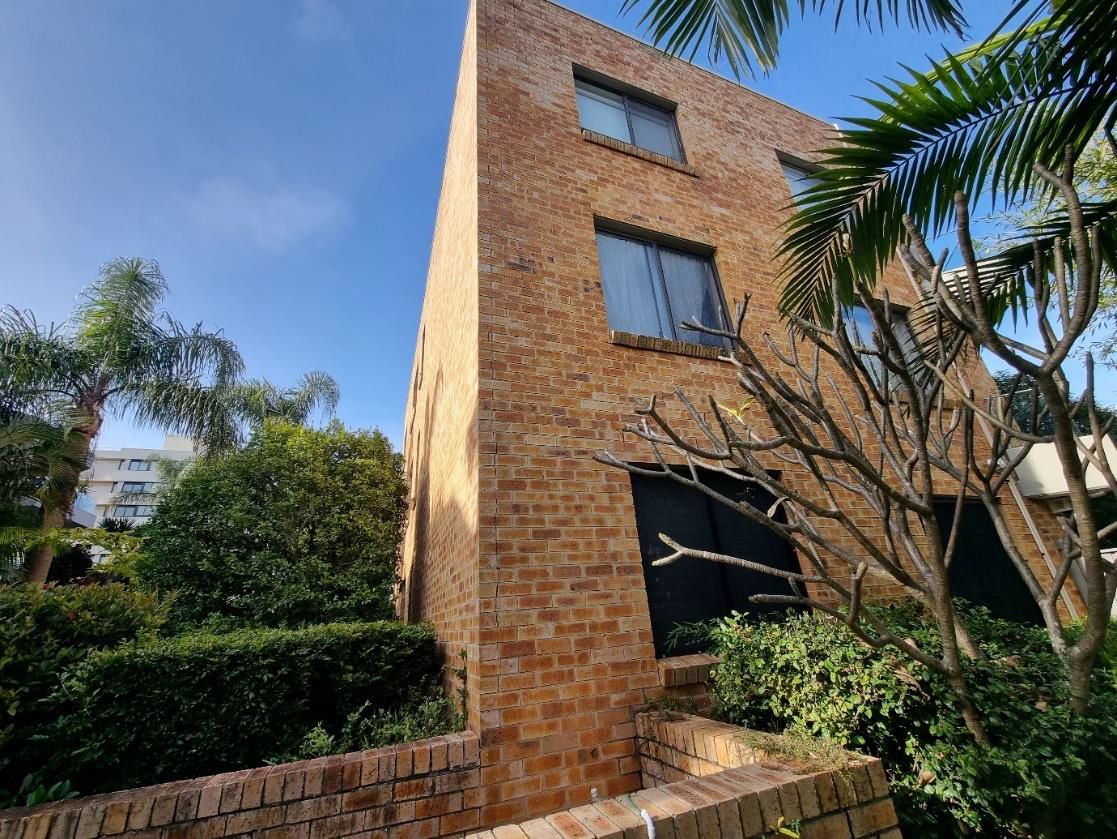
A cosmetic crack is one that reflects normal, expected movement in materials and doesn't indicate the structure itself is at risk. A structural crack is one that reflects movement beyond what the structure was designed to tolerate, or a genuine defect in how it was built. Both can look like a simple line in a wall. The difference is in the detail.
| Trait | Cosmetic Crack | Potentially Structural Crack |
|---|---|---|
| Width | Hairline to about 1mm | Generally wider than 5mm, though width alone isn't conclusive |
| Location | Single surface (plaster, cornice, render) | Runs through brickwork, diagonally from openings, or across multiple materials |
| Pattern | Random, follows control joints or material boundaries | Diagonal, stepped along mortar joints, radiating from door/window corners |
| Behaviour over time | Static, unchanged for months or years | Actively widening or reappearing after repair |
| Associated symptoms | None | Sticking doors/windows, sloping floors, gaps at skirting |
Why This Table Is a Starting Point, Not a Diagnosis
Structural engineers in Australia work from a more formal classification, set out in AS 2870, the Standard for residential slabs and footings, which ranks cracking from negligible through to severe based on a combination of factors, not width alone. Our companion piece on how to tell if a wall crack is serious walks through that classification in more detail. The table above is a practical starting point for deciding whether something is worth a closer look, not a substitute for an actual assessment.
Where People Get This Wrong
Two mistakes are common. The first is assuming any visible cracking means something is structurally wrong, which leads to unnecessary anxiety over cracking that's genuinely just cosmetic and common in almost every house. The second, more costly mistake is assuming cracking is cosmetic because it looks similar to something in another house, without checking whether it's actually behaving the way cosmetic cracking behaves, staying stable, staying confined to a single surface, with no other symptoms. See our guide on whether cracks in your house are structural for the specific patterns worth checking against.
Getting a Definitive Answer
The only way to know for certain is a proper structural assessment, which looks at the crack itself, its history and behaviour, the building's construction, and the likely underlying cause, rather than relying on appearance alone.