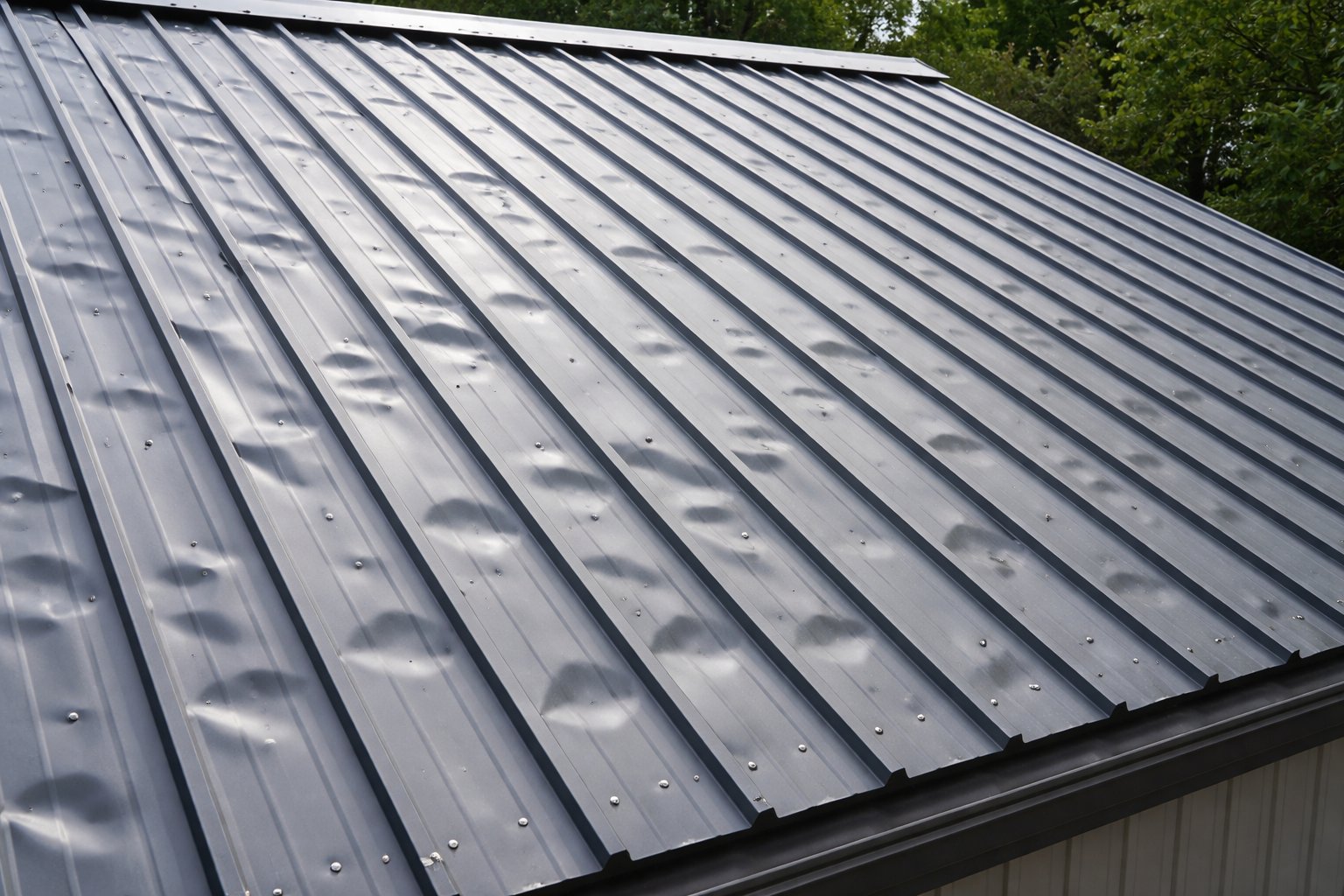
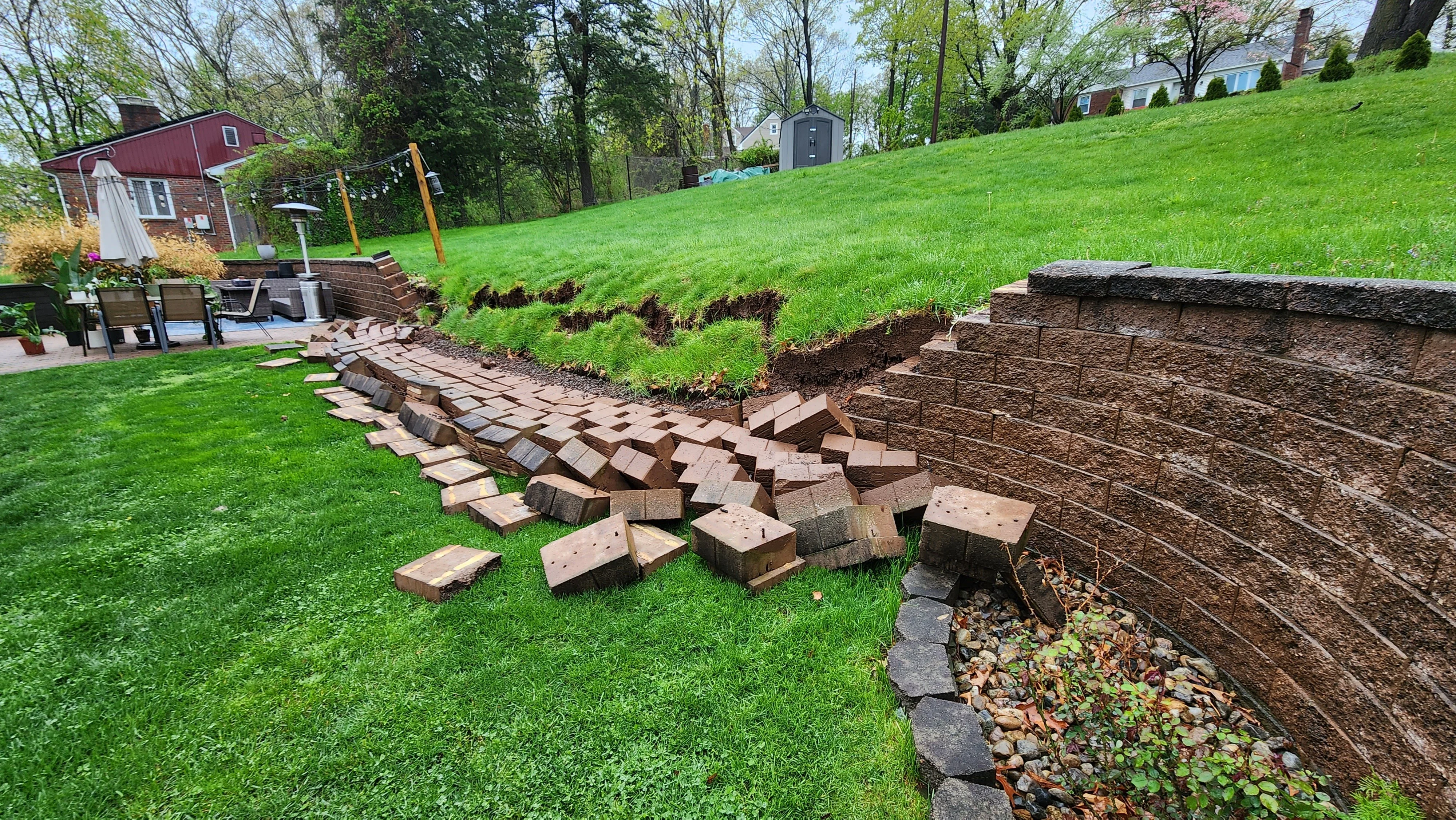
Home insurance in Australia generally covers sudden, accidental damage from a defined set of insured events, storm, fire, impact, and similar. It generally doesn't cover damage from gradual processes, wear and tear, deterioration, or a pre-existing defect in the building, and this is exactly where most structural damage disputes actually sit. This is general information, not advice on any specific policy, always check the product disclosure statement for the exact terms and exclusions that apply to a particular policy.
Usually Covered: Sudden, Identifiable Events
Storm damage, a tree falling on the roof, a vehicle striking a structure, and similar sudden events are typically covered, provided the damage is genuinely attributable to that event rather than pre-existing. This is exactly why telling storm damage apart from a pre-existing defect matters so much to how a claim plays out.
Usually Excluded: Gradual Deterioration and Ground Movement
Most standard home policies exclude damage from wear and tear, and many either exclude or place sub-limits on damage from gradual ground movement, including much of the seasonal reactive-clay behaviour covered in our piece on subsidence vs normal building movement. Some insurers offer subsidence or landslip cover as an optional add-on, others exclude it altogether, so it's worth checking a specific policy rather than assuming either way.
Why the Cause Determination Is the Whole Ballgame
Because coverage turns so heavily on cause, the independent engineering report is often the single most consequential document in a structural claim, it's what determines which side of the covered/excluded line the damage actually falls on. See our piece on when does an insurer require an independent engineering report for when that assessment gets triggered, and why getting one early, rather than waiting, works in your favour.
If a Claim Gets Disputed
Where a claim is declined or disputed, a second, genuinely independent engineering opinion is often what resolves the disagreement, and can be relevant if the matter proceeds to the Australian Financial Complaints Authority or further. Having your own clear, well-documented report from the outset puts you in a considerably stronger position if that becomes necessary.