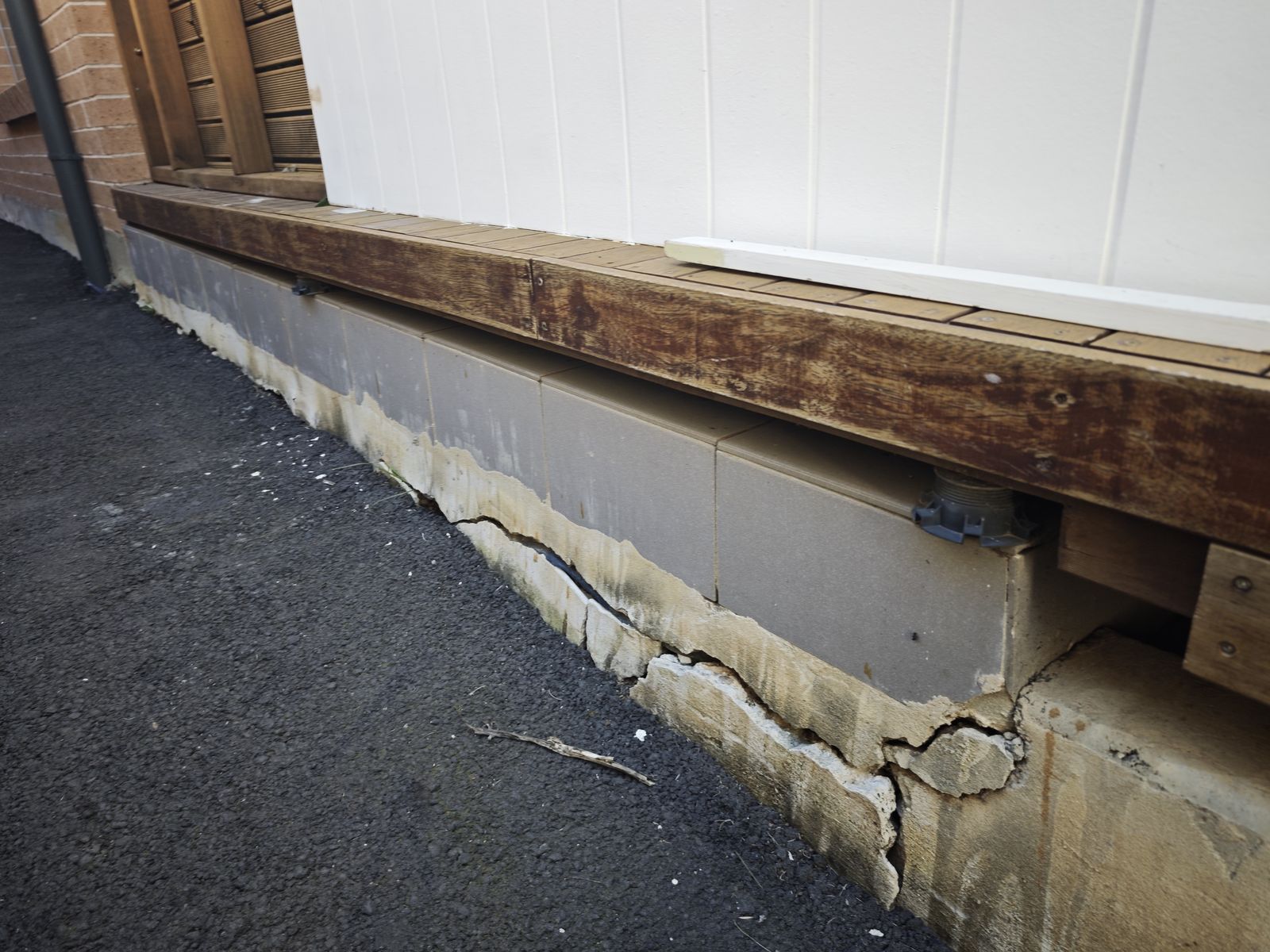
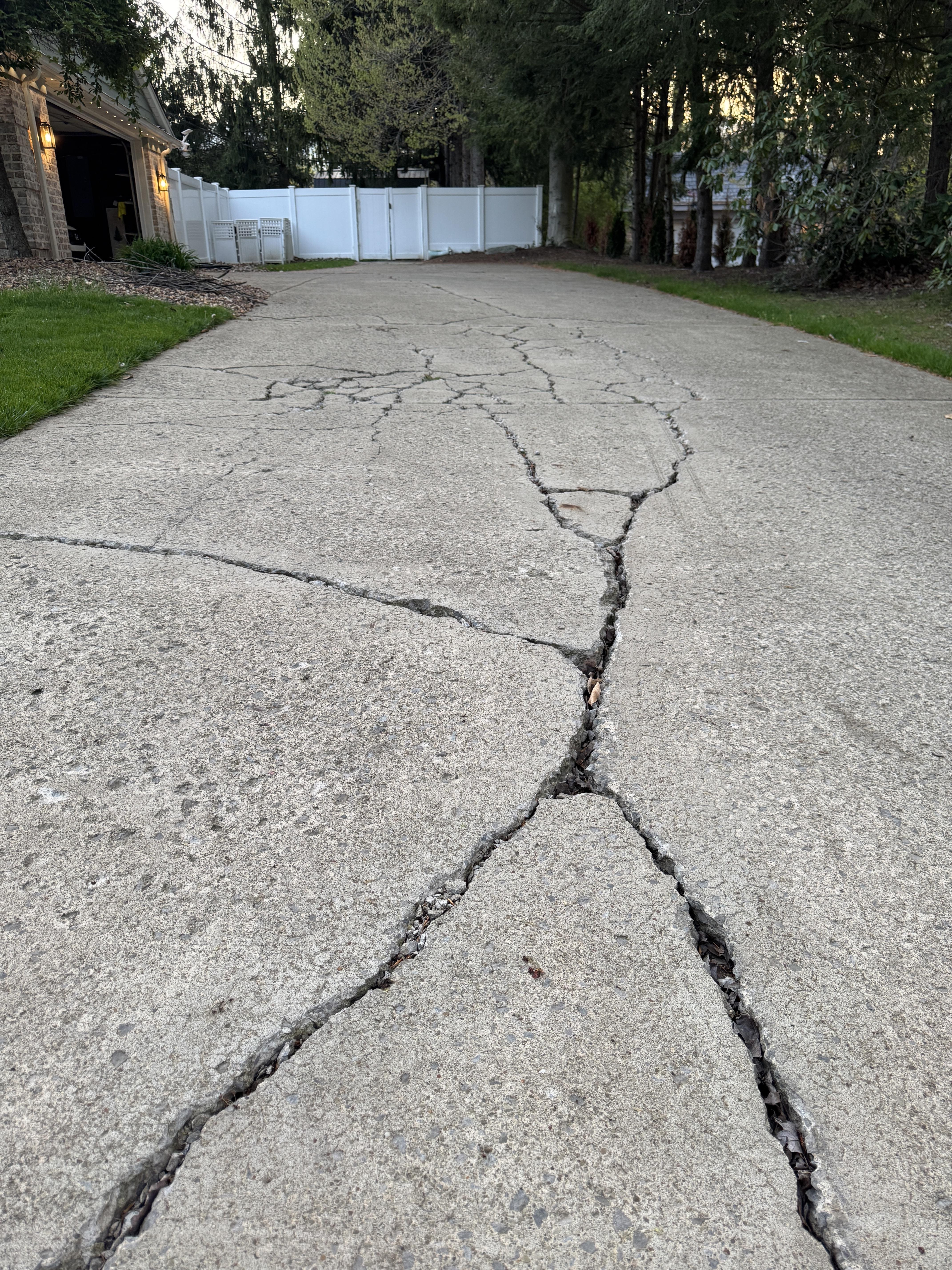
It's a pattern seen regularly across Sydney and NSW: a long dry spell, followed by a heavy or prolonged rain event, followed a few weeks later by new cracking or doors that have started sticking. It isn't a coincidence. It's a direct, well understood consequence of how reactive clay soils behave, and it's exactly the mechanism our piece on how reactive clay can cause house cracking explains in more general terms.
The Mechanism: Differential Wetting
Reactive clay soil expands as it absorbs moisture and contracts as it dries. The problem isn't the wetting or drying itself, it's when it happens unevenly across a footprint. After an extended dry period, the soil under a house is typically driest at the edges (exposed to sun and wind) and slightly more moist under the middle of the slab. A sudden, heavy rain event rewets the perimeter soil quickly while the soil under the middle of the house, insulated by the building above it, lags behind. That uneven rewetting causes uneven swelling, and uneven swelling is what shows up as new cracking, typically concentrated toward the edges and corners of the building.
Why the Timing Can Be Confusing
Cracking often doesn't appear the same day as the rain, it can take days or weeks to show up as the soil moisture works its way through the profile. This delay is one of the reasons cause can be genuinely difficult to pin down without a proper assessment, particularly when a claim also needs to establish whether cracking is due to a specific storm event or was already present beforehand. Our piece on how storm damage is told apart from a pre-existing defect covers that assessment process directly.
What the Standards Say
AS 2870, the Australian Standard for residential slabs and footings, classifies sites partly based on how reactive the soil is, more reactive sites (Class H1, H2, and E) are expected to experience larger seasonal ground movement and are designed with that in mind. The CSIRO's guide to foundation maintenance and footing performance goes further, setting out practical guidance for homeowners on managing soil moisture around a house, consistent watering rather than letting garden beds dry out and then flood, keeping trees an appropriate distance from footings, and maintaining even drainage, to reduce the differential movement that causes this kind of cracking in the first place.
What to Do If This Sounds Familiar
If cracking appeared or worsened noticeably after a recent rain event, it's worth having assessed rather than assumed, both to understand whether it's a maintenance issue (which is common and manageable) or something that needs attention, and to have it properly documented in case it becomes relevant to an insurance claim later. See our broader guide on whether a crack is actually structural for how this fits into that wider assessment.