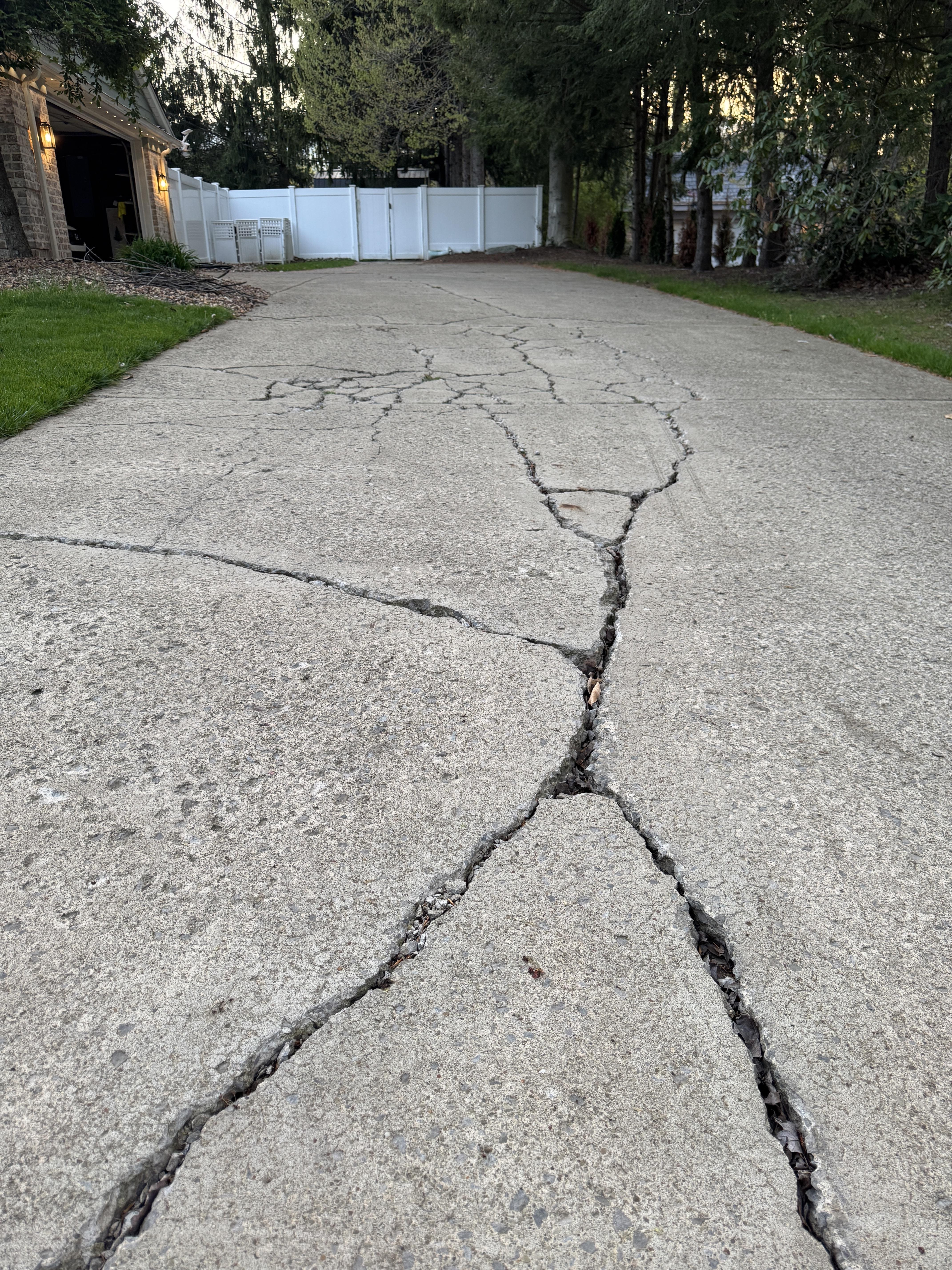
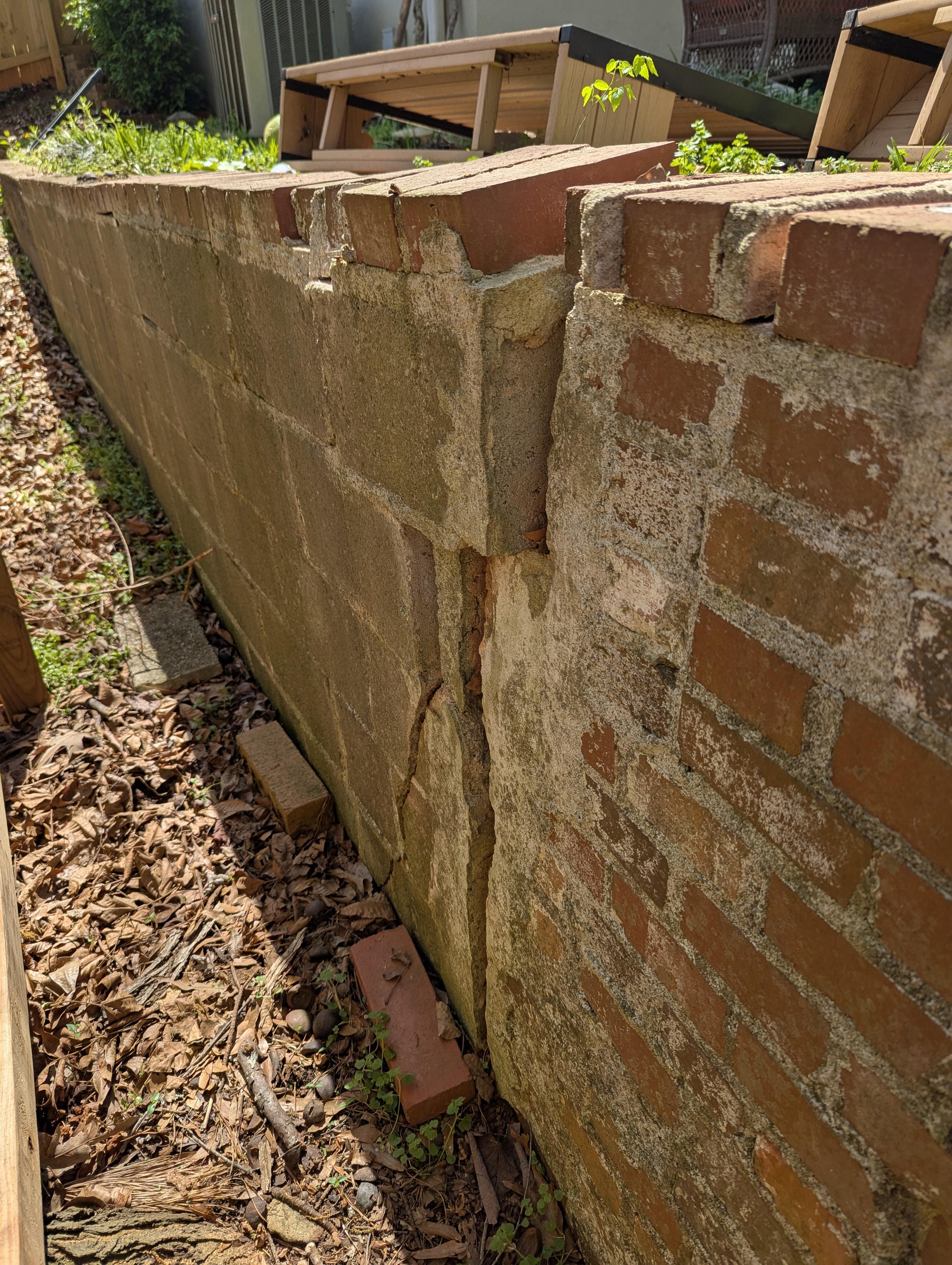
Getting a pre-purchase structural report back with a genuine finding, rather than a clean bill of health, can feel like the deal's off. In practice, it usually just changes the shape of your negotiation or your next steps, rather than ending things outright. What matters is understanding where you are in the buying process when the finding comes back, and how serious the issue actually is.
If You Haven't Exchanged Contracts Yet
If you're still negotiating and haven't exchanged, a genuine structural finding is simply information you can use. Depending on severity, that might mean renegotiating the price to reflect the likely cost of remedial work, asking the vendor to complete the repair before settlement, requesting a special condition in the contract addressing the issue, or, for something serious enough, walking away from the purchase entirely. Having the actual engineering report, rather than a vague verbal concern, gives you a much stronger negotiating position, because it puts a defensible basis behind whatever you're asking for.
If You've Exchanged But Haven't Settled, With a Cooling-Off Period Still Open
In NSW, a residential property purchase generally carries a statutory cooling-off period of five business days after exchange, under section 66S of the Conveyancing Act 1919 (NSW), unless it's been waived, the property was bought at auction, or another exception applies. If your inspection result comes back within that window, rescinding the contract is an option, though it typically comes with a modest penalty (commonly 0.25% of the purchase price) paid to the vendor. It's a narrow window, which is exactly why getting a structural inspection done as early as possible, ideally before exchange, is worth prioritising over risking a rushed assessment inside a short cooling-off period.
Assessing Severity Properly
Not every finding is equally significant. A report should give you enough to distinguish cosmetic or historic, stable issues from something that's active, structurally significant, or expensive to remediate, the same distinction covered in our piece on whether a crack is actually structural. Getting a rough, independent estimate of likely remedial cost alongside the structural finding is what actually lets you make a commercial decision, rather than just reacting to the word "structural" on its own.
Using the Finding in Negotiation
Vendors and agents generally respond more constructively to a specific, documented issue with an associated cost estimate than to a vague objection. Bringing the actual report to the conversation, rather than just saying "the inspector found some cracking," tends to produce a more productive outcome, whether that's a price adjustment, a repair commitment, or simply confirming both parties understand the property's condition going into settlement.