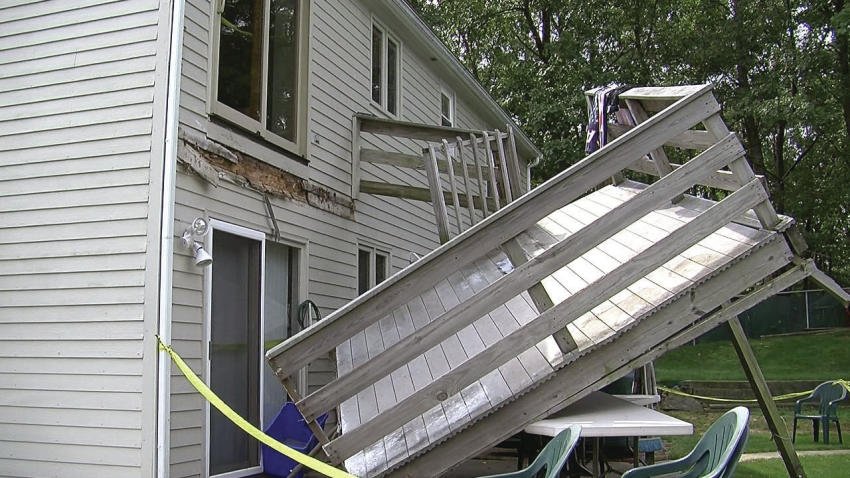
Managing your own renovation, rather than engaging a licensed builder to run the whole project, is common and perfectly legal in NSW, but it comes with obligations that go well beyond simply doing the work or coordinating trades. Once you're acting as an owner-builder, a lot of the legal responsibility that would otherwise sit with a licensed builder sits with you instead.
When You Need an Owner-Builder Permit
In NSW, an owner-builder permit from NSW Fair Trading is required for residential building work valued over $10,000 where the owner is acting as their own builder, engaging and coordinating trades directly rather than through a single licensed building contractor. The permit process includes a mandatory education course, which exists precisely because owner-builders are taking on obligations most people doing a renovation for the first time aren't aware of.
Structural Work Doesn't Get a Pass
Removing a load-bearing wall, altering a footing, adding a second storey, or any other structural change still needs proper engineering design and, in most cases, council development approval or a Complying Development Certificate, exactly as covered in our piece on whether removing a wall needs an engineer. Acting as an owner-builder doesn't reduce this requirement, and cutting corners on structural design because you're managing the job yourself is one of the more common and costly mistakes owner-builders make.
The Statutory Warranty Difference
Under the Home Building Act 1989 (NSW), owner-built work carries a different warranty position to work carried out by a licensed builder for a fee. If you sell the property within a certain period after owner-built work, you may be required to obtain and provide a report on the work's compliance, and the usual statutory home warranty insurance that applies to licensed builder work generally doesn't extend to owner-built work the same way. This matters both while you own the property and if you go to sell it, and is worth understanding upfront rather than discovering when it's too late to address.
Liability for Trades You Engage
As an owner-builder, you're generally responsible for ensuring each trade you engage is appropriately licensed for their scope of work, and for coordinating the sequence of work so that, for example, structural elements are properly inspected before they're covered up by subsequent trades. If something goes wrong, whether that's a compliance issue, a defect, or a dispute, the fact that you weren't personally physically doing the work doesn't remove your responsibility as the party who engaged and directed it.
Where Independent Engineering Input Helps Most
An independent structural engineer engaged directly by you, rather than by a trade you've hired, gives you design and, where useful, inspection sign-off that isn't compromised by also having a commercial interest in how quickly or cheaply the structural work gets done. For an owner-builder managing multiple trades without a head contractor's oversight, that independent check is often the difference between catching a problem early and discovering it well after it's been built over.