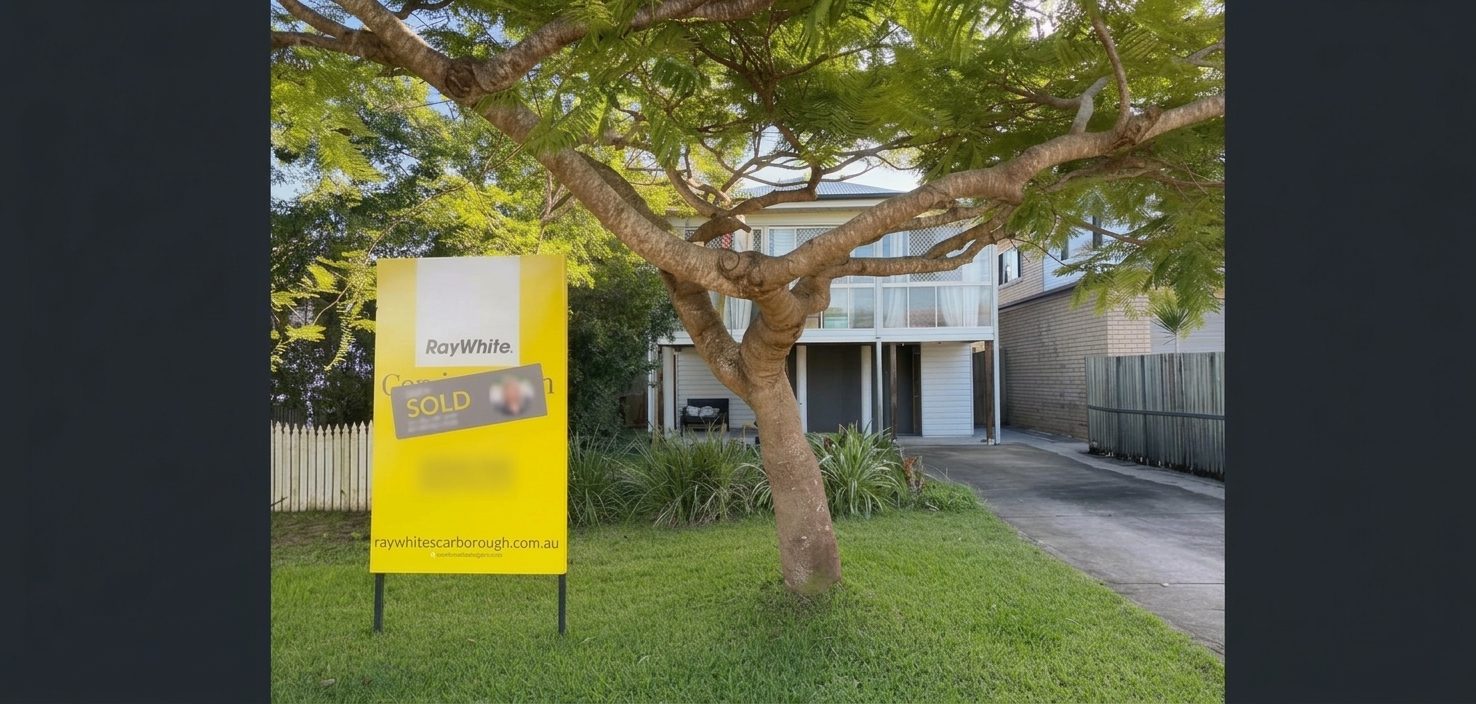
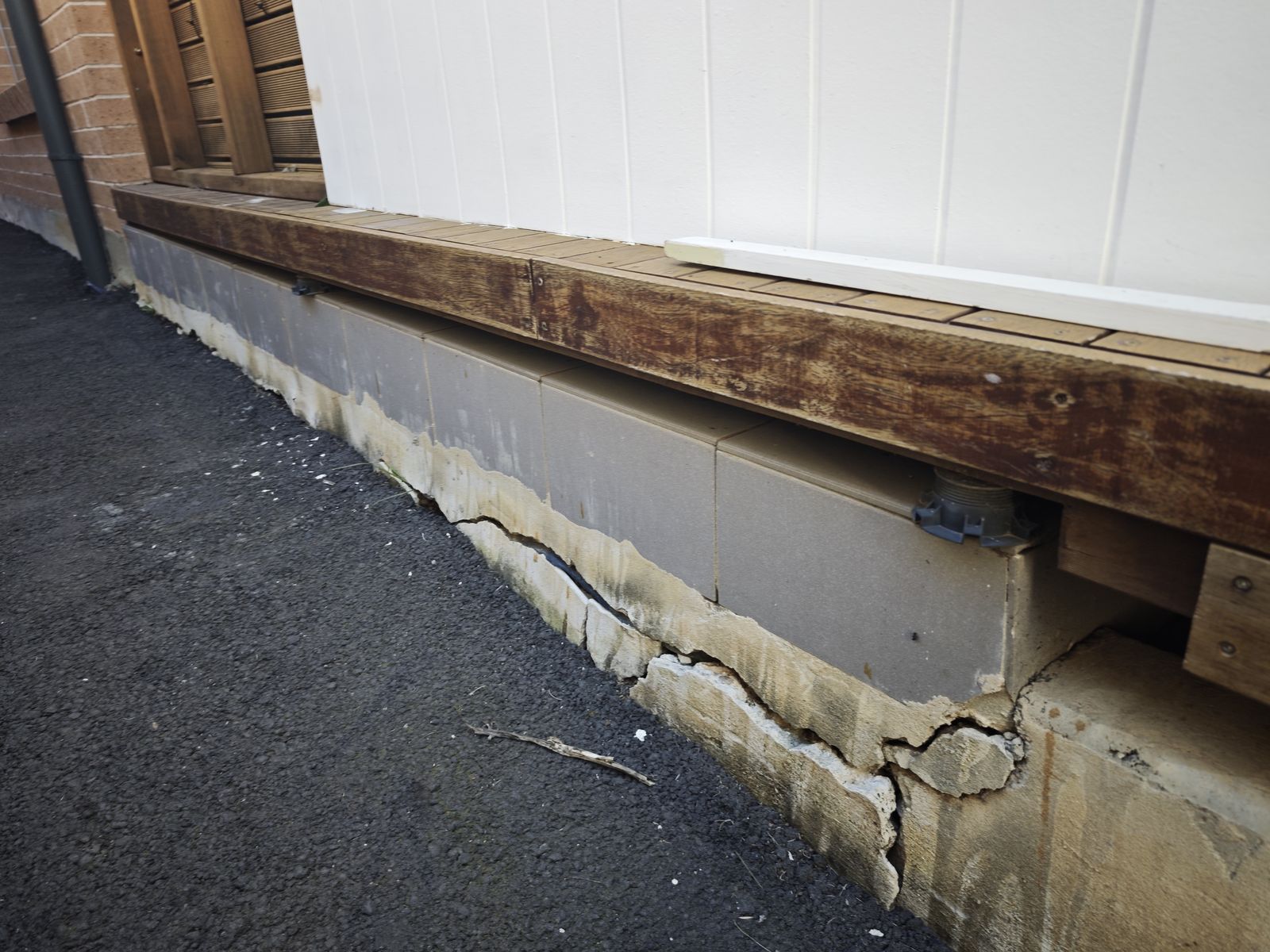
A new house isn't a finished, static object the day it's handed over. Timber frames continue to dry out and shrink, plaster and cornice joints take time to fully cure, and the footing system is still settling into a site that was, until recently, undisturbed or freshly filled ground. Some fine cracking in the first one to two years is a genuinely normal part of that process, distinct from the reactive-clay movement covered in our piece on how reactive clay causes house cracking, which tends to be an ongoing, seasonal issue rather than a one-off settling-in period.
What's Typically Normal Early Settlement
Fine, hairline cracking at plasterboard joints, particularly at internal corners and around door and window frames, is common as a new frame dries out and timber shrinks marginally along its length. Minor separation at cornice lines, and small cracks at the junction between a masonry veneer and a different material, fall into the same category. This kind of cracking is usually cosmetic, doesn't recur once the building has settled, and is consistent with normal construction tolerances rather than a footing or structural issue.
What Isn't, and Needs a Proper Look
Cracking that's wider than hairline, that's diagonal rather than following a joint line, that's growing rather than static, or that's paired with doors and windows sticking or a floor that's visibly out of level, is a different matter. On a new build, this kind of pattern points toward something more specific than ordinary drying and shrinkage, footing performance not matching the site's classification under AS 2870, the Australian Standard for residential slabs and footings, compaction issues in fill that wasn't properly prepared before construction, or a genuine construction defect. Our broader guide on whether a crack is actually structural covers the wider framework for telling the two apart.
What Your Statutory Warranty Actually Covers
In NSW, residential building work carries statutory warranties under the Home Building Act 1989 (NSW), implied into the contract regardless of what the builder's own paperwork says. Structural defects are covered for six years from completion, while non-structural defects carry a shorter two-year warranty period. Whether cracking counts as a "structural defect" for warranty purposes isn't always obvious from a visual inspection alone, which is exactly the kind of determination an independent engineering assessment is positioned to make, both for your own understanding and, if it comes to it, for a claim through NSW Fair Trading's Home Building Compensation process or the builder directly.
When to Get a New Build Looked At
If cracking is limited to fine, joint-line hairlines in the first year or two and isn't paired with any other symptom, monitoring it is a reasonable approach, most of it settles down and doesn't reappear once the building has fully dried out and settled. If it's wider, growing, diagonal, or accompanied by doors, windows, or floor level issues, particularly once the building is past its first year, it's worth an independent assessment rather than relying on the builder's own opinion of their own work.