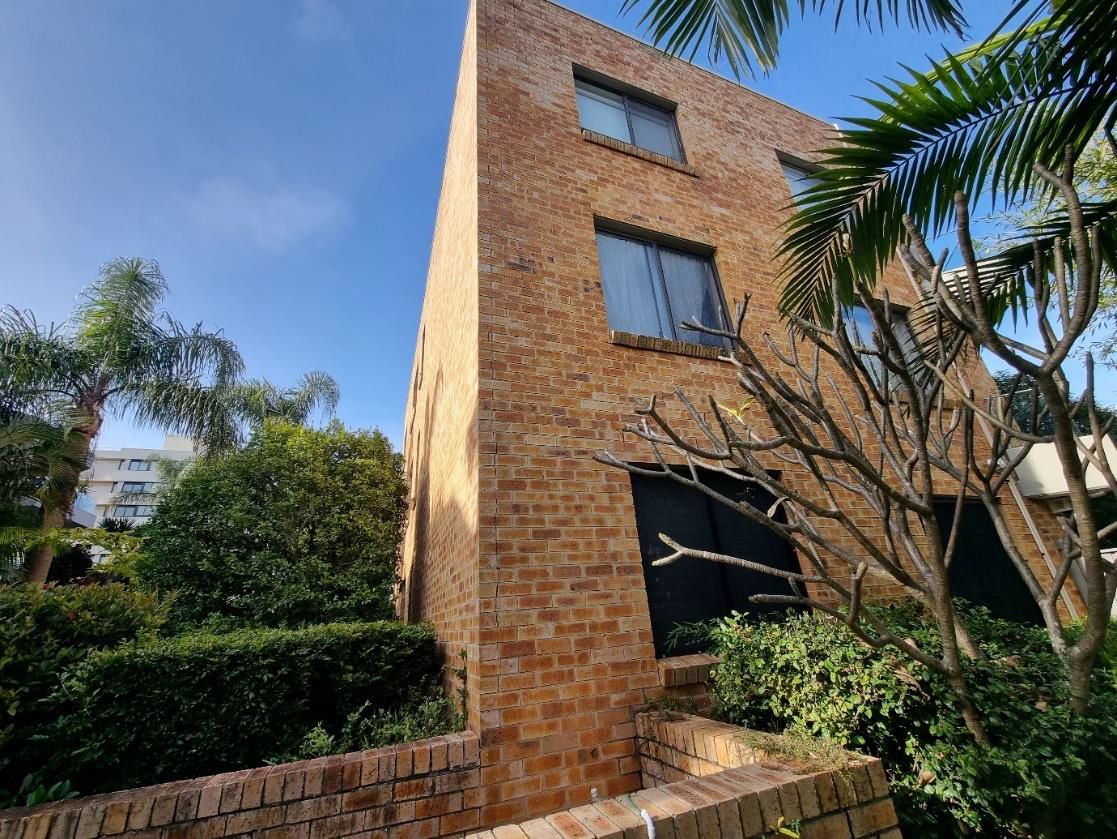
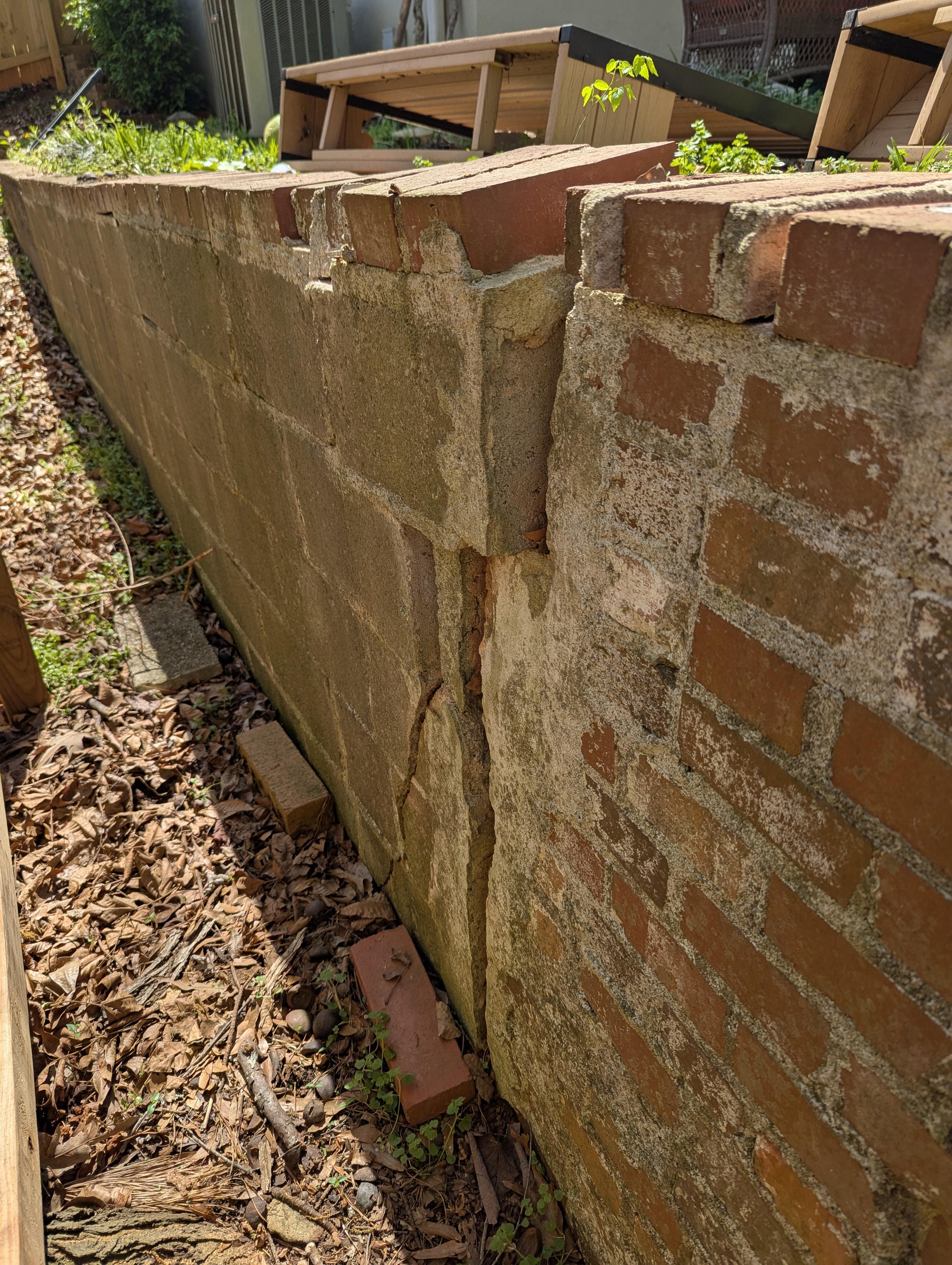
A builder or developer commissioning a pre-construction dilapidation report needs to physically inspect the neighbouring property to document its condition, and not every neighbour agrees to that straight away. Sometimes it's an oversight, sometimes genuine concern about a stranger entering their home, and sometimes outright refusal. None of these are the end of the process.
Start With a Proper Written Request
Most access issues resolve at this stage. A clear, professional written request explaining who needs access, why, what the survey involves (typically photographs and notes taken over an hour or so, nothing invasive), and offering flexible timing goes a long way. Framing it honestly, that the survey protects the neighbour too, by creating an independent record they can rely on if they ever suspect the works caused damage, tends to land better than treating it purely as the builder's paperwork requirement.
If They Still Refuse: The Access to Neighbouring Land Act
Where a neighbour won't agree, the Access to Neighbouring Land Act 2000 (NSW) sets out a formal process for obtaining an access order from the NSW Local Court, for the purpose of carrying out survey and inspection work on adjoining land. An applicant generally needs to show they've made a genuine attempt to reach agreement first, the access sought is reasonably necessary for the work, and the order can specify conditions around timing, notice, and compensation for any inconvenience or damage. It's a real legal avenue, not just a theoretical one, but it does add time to a project's schedule, which is exactly why requesting access early, well before excavation is due to start, matters.
What Happens Without a Baseline Survey
If access genuinely can't be arranged before works begin, whether refused outright or simply not pursued in time, the project proceeds without a documented "before" condition for that particular property. That's not ideal for anyone. If a dispute later arises about whether the works caused new damage, our piece on how construction next door can actually cause damage covers how cause still gets established after the fact, generally through a more involved independent assessment that has to work backward from the damage pattern rather than a clean before-and-after comparison.
Practical Advice for Builders and Developers
Build access requests into the project program early, keep a written record of every request and response, and treat a difficult neighbour as a timeline risk to manage rather than a surprise. A local court application is a legitimate fallback, but it's slower and more expensive than simply asking properly, with enough notice, the first time.