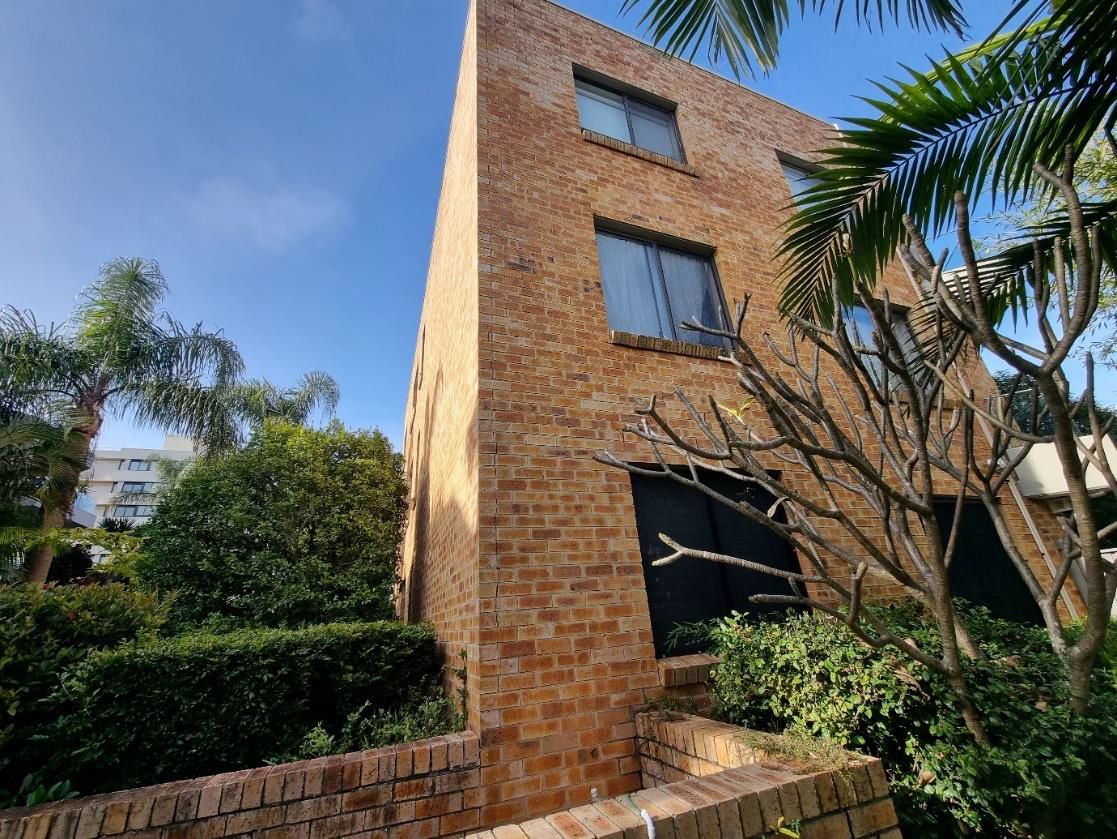
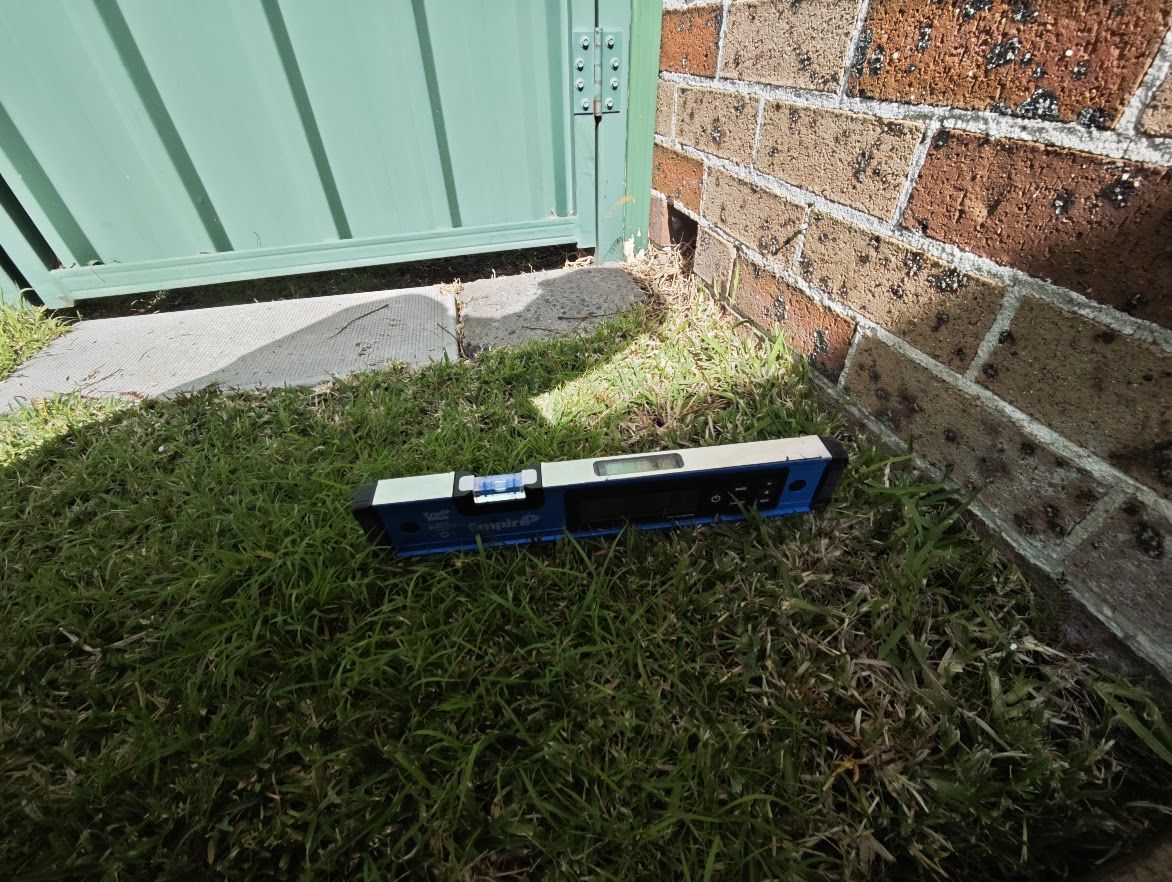
A standard structural inspection asks: what condition is this building in, and are there any defects? A dilapidation report asks something more specific: what condition was this property in at a particular point in time, almost always immediately before nearby construction, excavation, or demolition begins, so that any change afterward can be objectively established.
Why Dilapidation Reports Exist
Excavation and construction near a property boundary carries real risk to neighbouring structures, vibration, changes to groundwater, or a loss of lateral ground support can all cause damage to an adjoining building. Landowners in NSW have a common law right of support for their land, connected to obligations recognised under section 177 of the Conveyancing Act 1919 (NSW) concerning the duty of care owed in relation to support of land. A pre-construction dilapidation report creates an objective, timestamped record of the neighbouring property's condition before works start, which is exactly what's needed if a dispute over alleged damage arises afterward. It's frequently a condition of development consent for exactly this reason.
What a Dilapidation Report Actually Documents
A thorough report photographs and describes existing cracking, defects, and general condition of the property, focused on elements most likely to be affected by nearby works: walls, ceilings, floors, and, where relevant, structures like retaining walls or pools near the boundary. This creates a baseline. Our piece on when does construction next door cause damage to your home covers what happens on the other end of that process, once works are underway or complete. That baseline depends on getting access to the property in the first place, and our piece on what happens when a neighbour won't allow access for the survey covers what to do when that doesn't go smoothly.
Pre- and Post-Construction: A Matched Pair
A dilapidation survey is genuinely most useful as a pair: one report immediately before works begin, and a second, directly comparable report once they're complete. Without a proper "before" record, establishing whether new damage is actually attributable to nearby construction, rather than pre-existing, becomes considerably harder, which is the same underlying challenge covered in our piece on storm damage or pre-existing defect, just applied to a different trigger event.
Who Commissions One
Dilapidation reports are commissioned by builders and developers (often as a consent condition, protecting themselves against later claims), by councils as part of an approval process, and by neighbouring property owners themselves, wanting independent documentation of their own property's condition before works next door begin. An owners corporation is a common example of the latter, protecting a building's common property in much the same spirit as the condition assessment covered in our piece on what a strata building inspection covers.