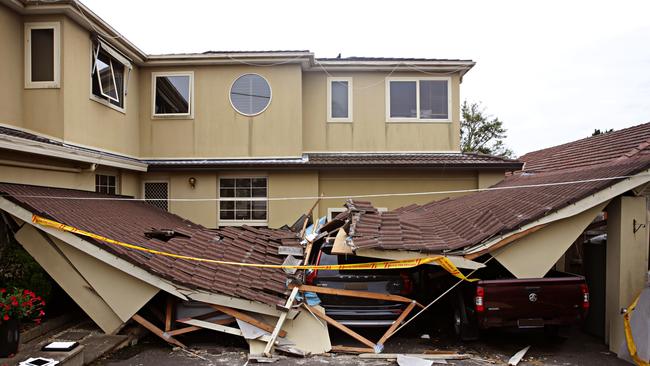
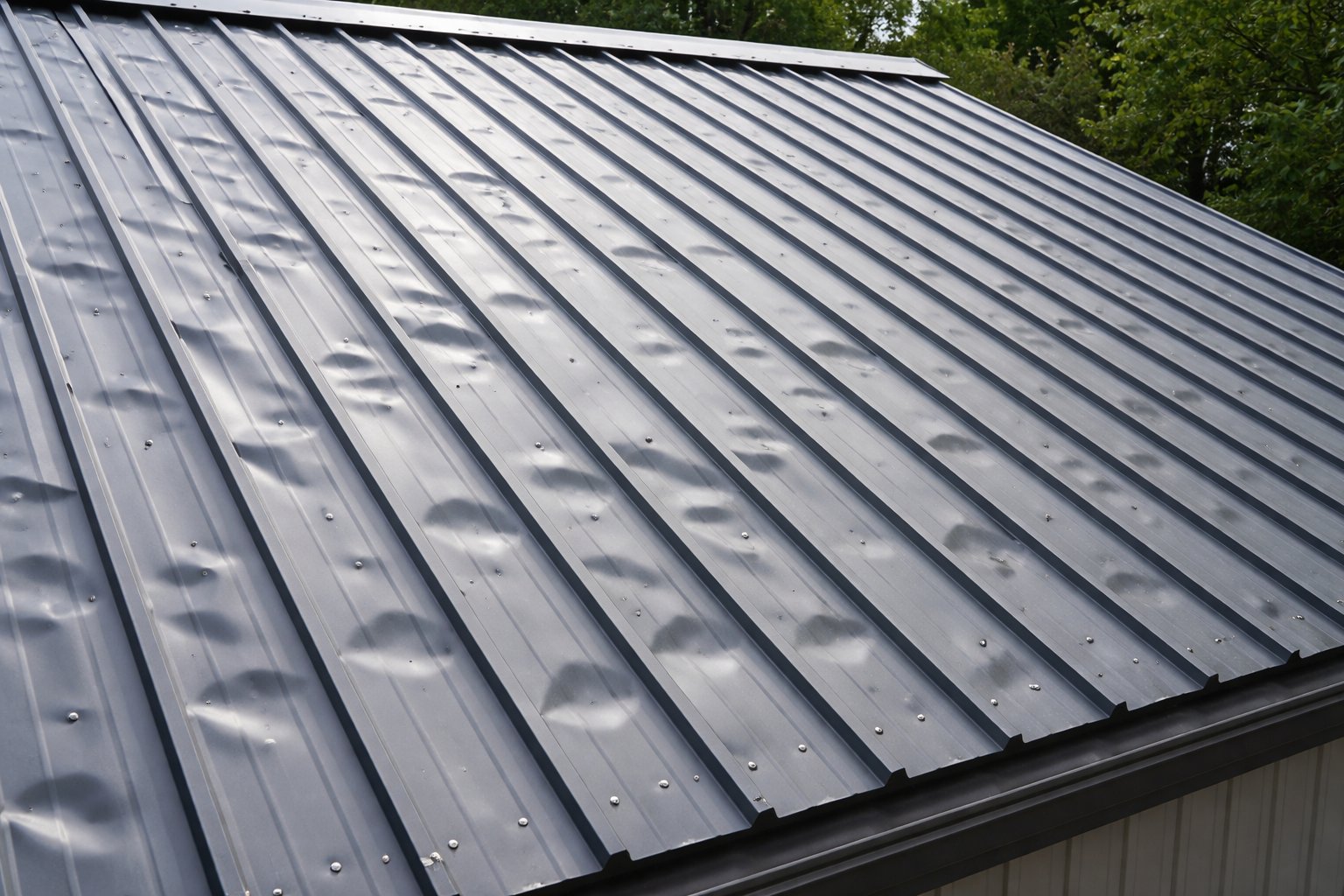
Having a structural damage claim declined, often on the basis of the insurer's own engineer's assessment attributing the damage to a pre-existing condition, gradual deterioration, or another excluded cause, is a common source of dispute. It's not necessarily the end of the matter. Insurers in Australia operate under a defined dispute resolution framework, and there's a genuine, well-trodden path for challenging a decision you disagree with.
Start With Internal Dispute Resolution
Under the General Insurance Code of Practice, insurers are required to have an internal dispute resolution (IDR) process, and to respond to a complaint within a defined timeframe, generally 30 calendar days from when the complaint is made. This is the first formal step: requesting a review of the decision, ideally accompanied by any additional evidence, ordinarily a competing engineering opinion, that supports your position.
Get Your Own Independent Engineering Opinion
An insurer's own engineer, even when acting professionally and in good faith, is engaged and paid by the insurer, which is precisely why a genuinely independent second opinion, from an engineer with no relationship to either party, carries particular weight in a dispute. Our piece on why insurers require an independent engineering report covers the same independence principle from the other side of the claim; the logic applies just as much when you're the one commissioning the report to challenge a finding. A useful independent report doesn't just assert a different conclusion, it explains, with reference to site evidence and the relevant Australian Standard, specifically where and why it disagrees with the insurer's engineer's reasoning.
If IDR Doesn't Resolve It: AFCA
If internal dispute resolution doesn't resolve the matter to your satisfaction, or the insurer fails to respond within the required timeframe, the next step is the Australian Financial Complaints Authority (AFCA), a free, independent external dispute resolution scheme for financial services complaints, including general insurance. AFCA can consider claims up to a defined compensation limit and generally requires that IDR has been attempted first. A well-documented, independent engineering report is often central evidence in an AFCA complaint about a declined structural claim.
Timing and Documentation Matter Throughout
Keep a clear record of every communication with the insurer, including dates, names of who you spoke with, and what was said, alongside your own photographic documentation and any engineering reports commissioned. Acting reasonably promptly at each stage, rather than letting time lapse, generally strengthens your position rather than weakening it.