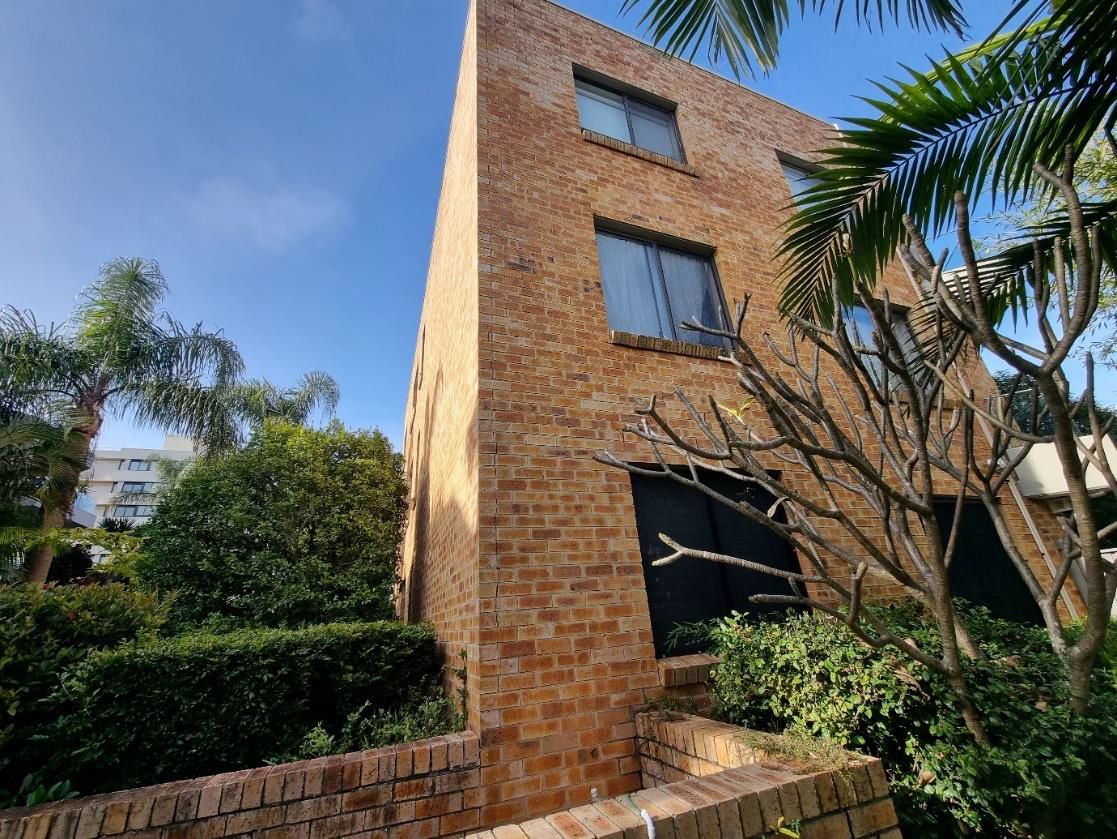
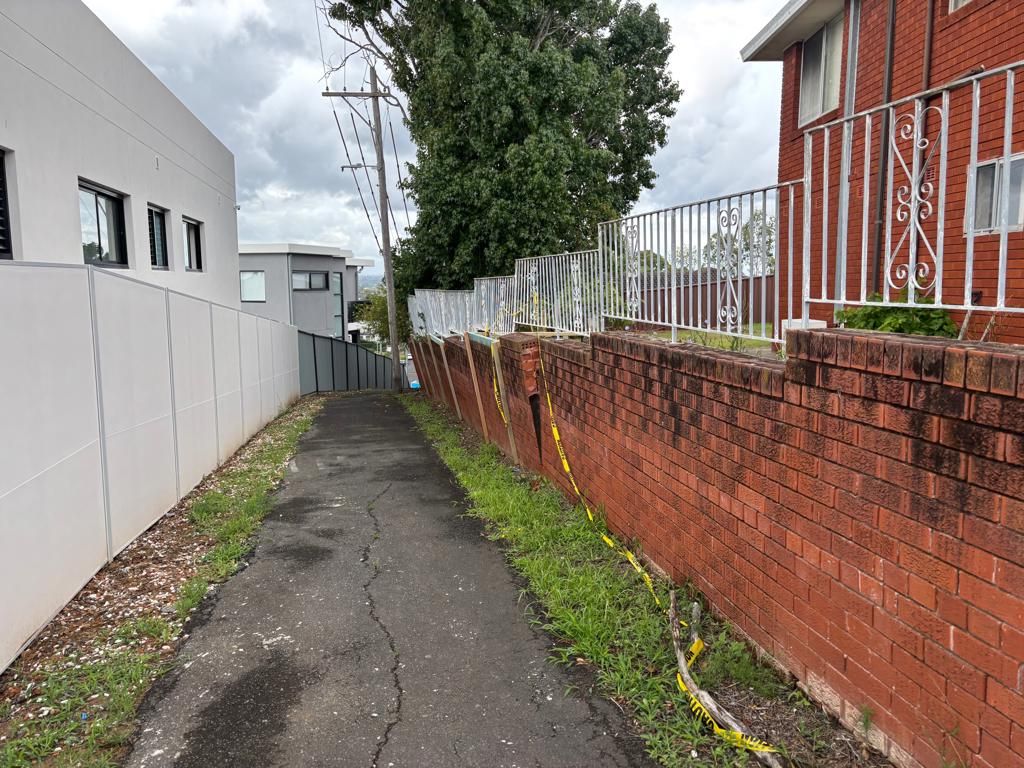
Excavation, demolition, and heavy construction activity on a neighbouring property can genuinely cause damage to your home, through a few specific, well understood mechanisms rather than vague "vibration." Knowing which of these applies to your situation is the first step in working out whether new cracking or movement is actually connected to the nearby works.
Loss of Lateral Support
Excavating close to a shared boundary, particularly near or below the level of your own footings, can remove the soil that was previously providing lateral support to your foundation. Without proper shoring or retention during the excavation, this can allow soil movement toward the excavated void, resulting in settlement or cracking on the neighbouring property. This is one of the more serious mechanisms and is exactly why excavation near a boundary typically requires engineered temporary support.
Vibration From Demolition or Piling
Demolition, piling, and heavy compaction work generate vibration that can travel through the ground into adjoining structures. Older or already-stressed buildings are generally more susceptible to vibration-induced cracking than newer, more robust construction. Vibration monitoring is a common condition of consent for construction near sensitive neighbouring structures for exactly this reason.
Changes to Groundwater and Drainage
Construction can alter how groundwater moves through a site, sometimes lowering the water table locally through dewatering, sometimes redirecting surface water in ways that affect a neighbouring property's soil moisture. Because reactive clay soil movement is already a major cause of cracking in Sydney and NSW, a construction-driven change to groundwater can trigger or accelerate movement that might otherwise not have occurred.
What Actually Helps if You're Affected
A pre-construction dilapidation report, if one exists, is the single most useful piece of evidence, it establishes your property's condition before works started. If you didn't get one done and you're now seeing new cracking, an independent assessment can still establish likely cause based on the pattern and timing of the damage relative to the construction activity, though the absence of a baseline makes the determination harder than it needs to be.