A pre-purchase structural inspection is a targeted, structural-only assessment, distinct from the broader building and pest inspection most buyers already get. It focuses on the elements of a property most likely to carry a genuine defect, and most likely to be expensive to fix if one exists. See our broader guide on whether you need an engineer before buying a house for why this is worth getting done in the first place.
The Footing System
Footings are assessed for evidence of movement, inconsistent with the site's expected behaviour under AS 2870, the Australian Standard for residential slabs and footings. This includes checking for differential movement between sections of the building, particularly at junctions between an original dwelling and any later addition, which often behave differently because they were built at different times on potentially different footing systems.
Walls, Internal and External
Cracking is assessed for pattern, location, and likely cause, distinguishing cosmetic cracking from cracking that points to a structural issue, using the same classification approach covered in our piece on structural cracks vs cosmetic cracks. Masonry walls are also checked against relevant provisions of AS 3700, the Standard for masonry structures, particularly where cracking runs diagonally through brickwork.
Roof Structure and Ceiling
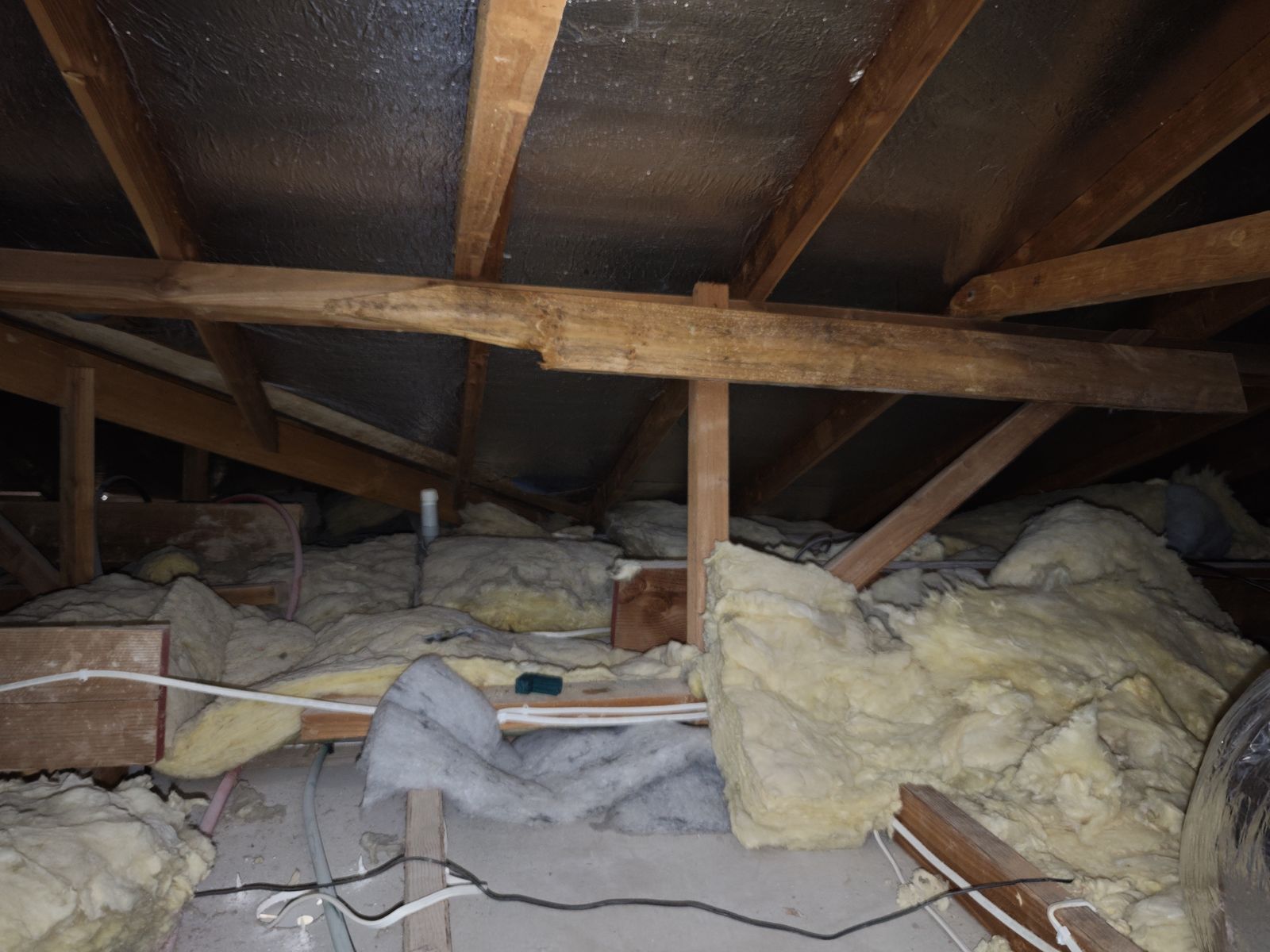
Roof framing is inspected where access allows, checking for signs of overloading, water damage, or inadequate original construction. Ceiling linings are checked for cracking consistent with structural movement versus cracking from a deficient original installation, the kind of issue covered in our case study on ceiling cracking from deficient ceiling installation, which specifically involved non-compliance with AS/NZS 2589:2017, the Standard covering gypsum lining application and finishing.
Doors, Windows, and Floor Levels
Doors and windows are checked for binding or misalignment, and floors are checked for level using a spirit level or similar, both useful indicators of movement that might not be obvious from cracking alone. See our piece on signs your house may be moving for the full list of what's checked.
What You Get
The result is a written report setting out what was found, whether it's assessed as structurally sound, cosmetic, or a genuine concern, and, where relevant, a general indication of likely remedial scope. That's a materially different, and more useful, document than a building and pest report's general note to "seek further advice."