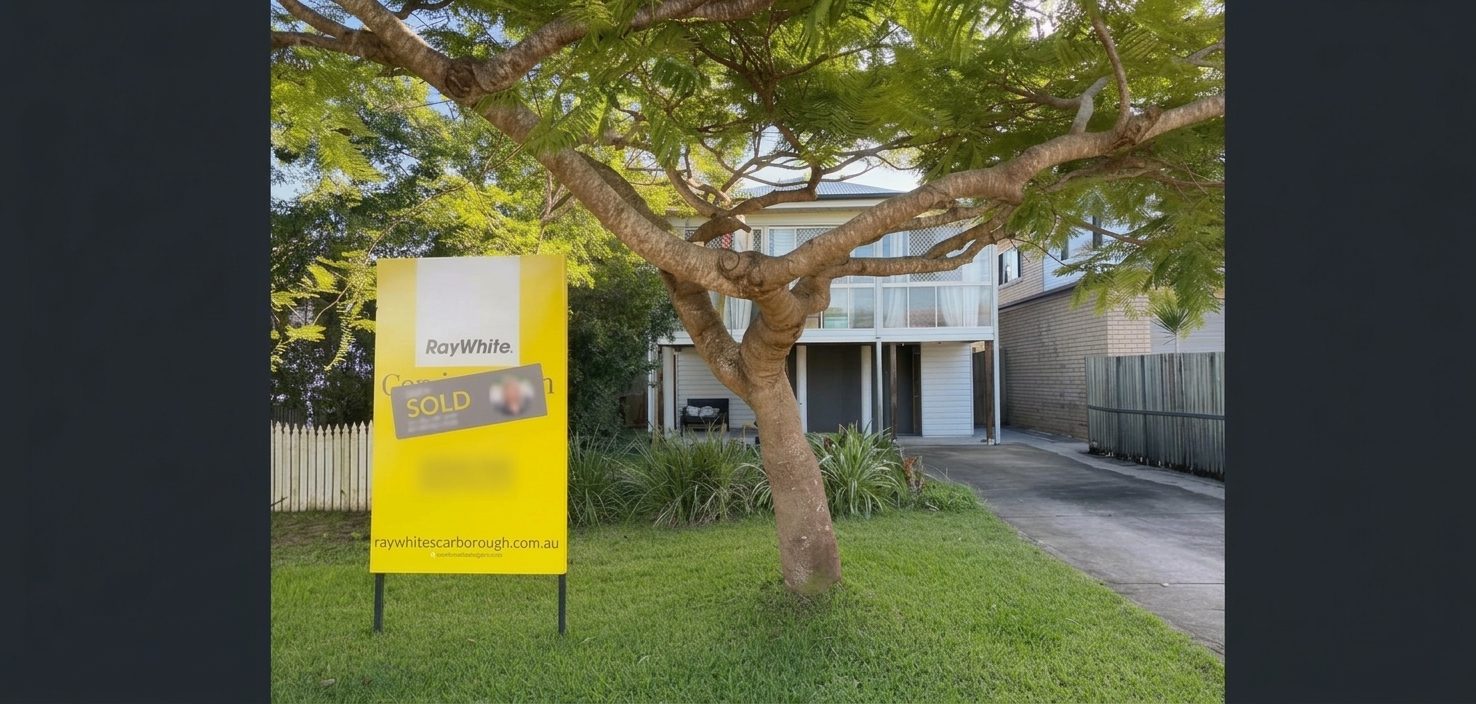
In NSW, a property bought at auction is not subject to a standard cooling-off period, the sale is unconditional on the fall of the hammer. That single fact changes the risk calculation considerably. With a private treaty purchase, a structural issue found after exchange can sometimes still be negotiated or, within the cooling-off period, walked away from. At auction, there's no such safety net, whatever you're bidding on is what you own once the auctioneer's gavel comes down.
Why "I'll Sort It Out After" Doesn't Work at Auction
Some buyers assume they can get a building and pest or structural report done between exchange and settlement. At auction, exchange happens the moment the property is knocked down to you, there is no window to inspect afterward and change your mind. Any due diligence, including a structural assessment, needs to happen before auction day, based on pre-auction access to the property.
What to Do Before Auction Day
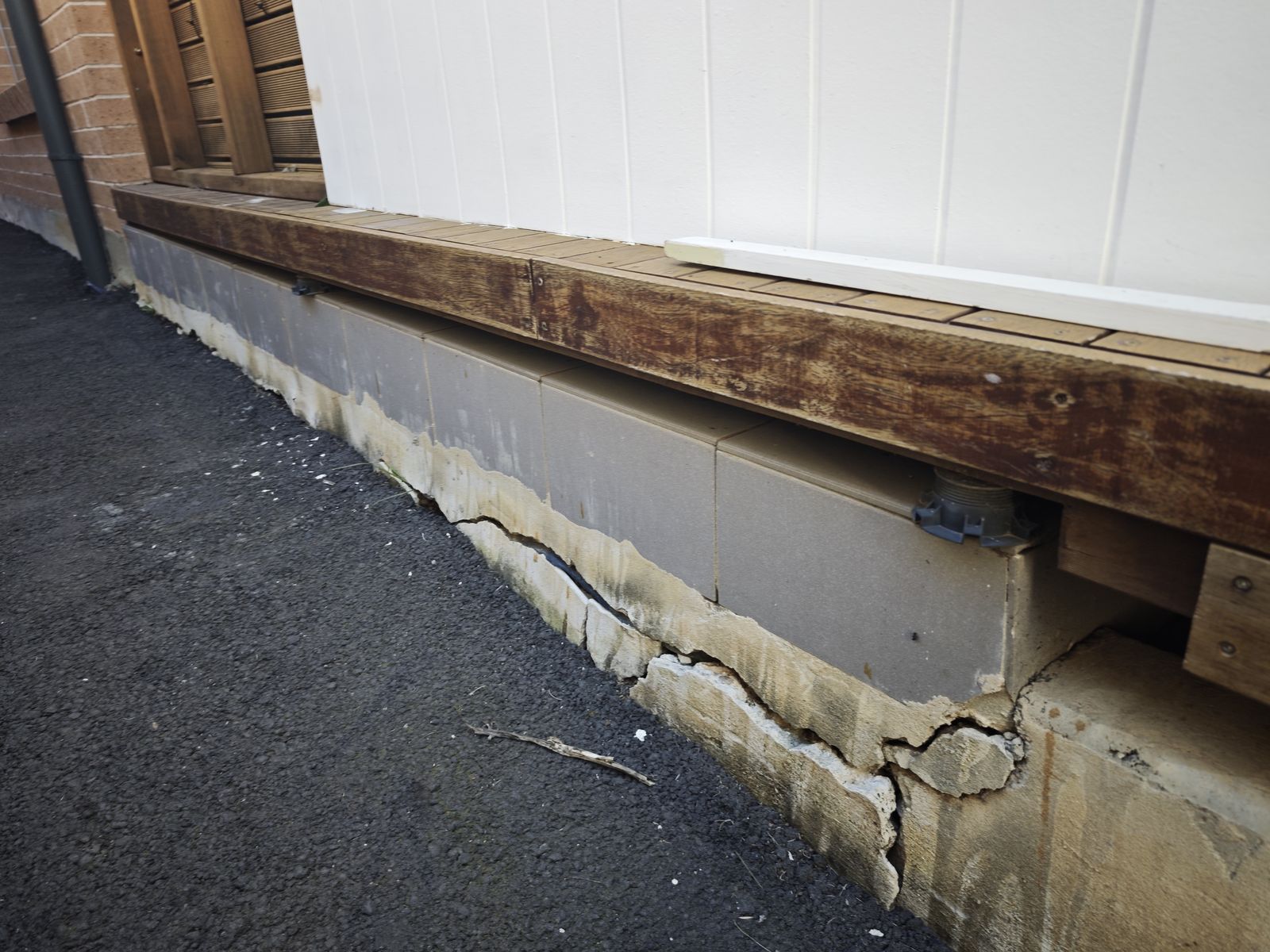
Most agents will arrange pre-auction inspection times, and it's entirely normal to bring an inspector or engineer through during one of these. If you've noticed cracking, an older dwelling, or an unpermitted-looking addition, in short, any of the situations covered in our piece on do I need a structural engineer before buying a house, it's worth arranging a pre-purchase structural assessment in the days before auction, not after.
Setting Your Limit With Real Information
Beyond the pass/fail question of whether to bid, a structural assessment gives you a factual basis for what you're prepared to pay. Knowing that cracking is cosmetic and the footing system is sound is worth something, and knowing there's a genuine structural issue with a likely remedial cost lets you factor that into your maximum bid, or decide not to bid at all, rather than finding out only after you've already committed.