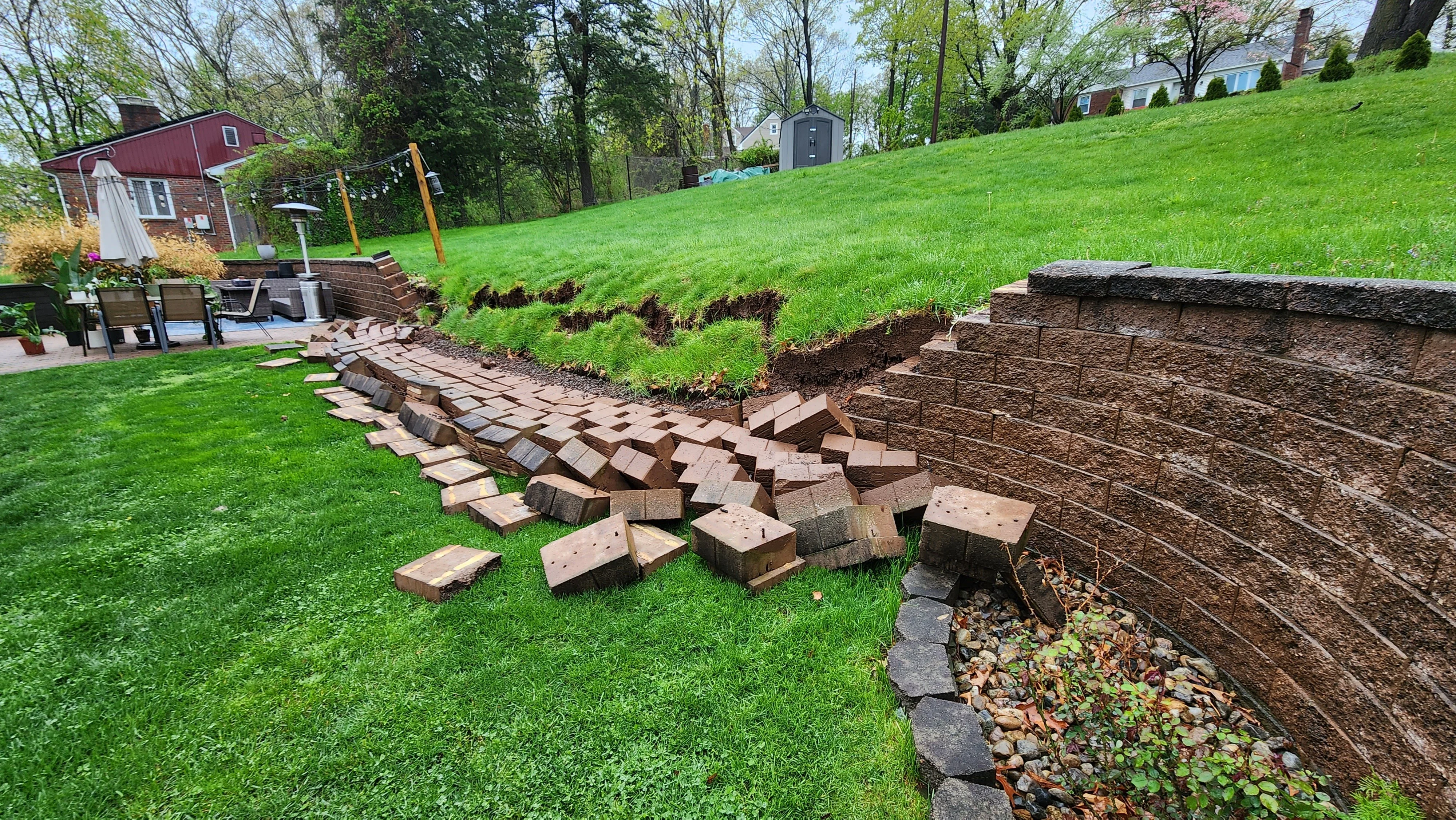
Since around 2021, homeowners at Spring Farm, a relatively new estate near Camden in Sydney's south-west, have reported extensive cracking, sinking, and structural damage to their properties, in some cases appearing within roughly 18 months of purchase. A group of affected residents subsequently commenced a class action in the Supreme Court of NSW (Camden Land Subsidence Class Action, proceedings number 2020/00359004), naming Camden Council, the estate's developer, and a geotechnical testing firm as defendants. As of 2026 the matter remains before the court, with a lengthy trial underway, and no findings of fault have been made, it is important to be clear that liability has not been determined and the claims are contested.
What's Reported to Have Happened
Public reporting on the case indicates the developer has pointed to land it purchased from council as the area where subsidence issues are concentrated, and has suggested that how that land was filled and compacted before development may be relevant. That points toward a mechanism worth understanding regardless of how this particular case resolves: engineered fill, ground built up and compacted to raise or level a site before construction, behaves very differently to natural, undisturbed ground, and if it isn't compacted correctly at the time, it can continue to settle unevenly for years afterward, well after a house has been built on top of it.
Why This Matters Beyond One Estate
Whatever the eventual outcome, the case is a useful, real-world illustration of a broader point: not all ground movement comes from the reactive clay behaviour covered in our piece on subsidence vs normal building movement. Land that has been filled, cut, or otherwise engineered before a house was built on it carries its own risk profile, and that history isn't something you can see just by looking at a finished house. It's a matter of record, typically held in council development files and geotechnical reports from the time of subdivision, rather than something visible on a walk-through.
The Practical Takeaway for Buyers and Owners
Two things are worth doing as a result. First, if you're buying in a relatively new estate, particularly one built on land that's been re-contoured or filled, it's reasonable to ask what geotechnical investigation and compaction certification exists for the site, and our pre-purchase inspection service can factor that history into the assessment where records are available. Second, if you already own a property and are seeing cracking that doesn't fit the more common seasonal reactive-clay pattern, particularly if it's progressive rather than stable, it's worth having the likely cause properly investigated rather than assumed, since the appropriate response to engineered-fill settlement is different to the response for ordinary seasonal movement.